The Best Time to Sell a House in Rhode Island (2026)
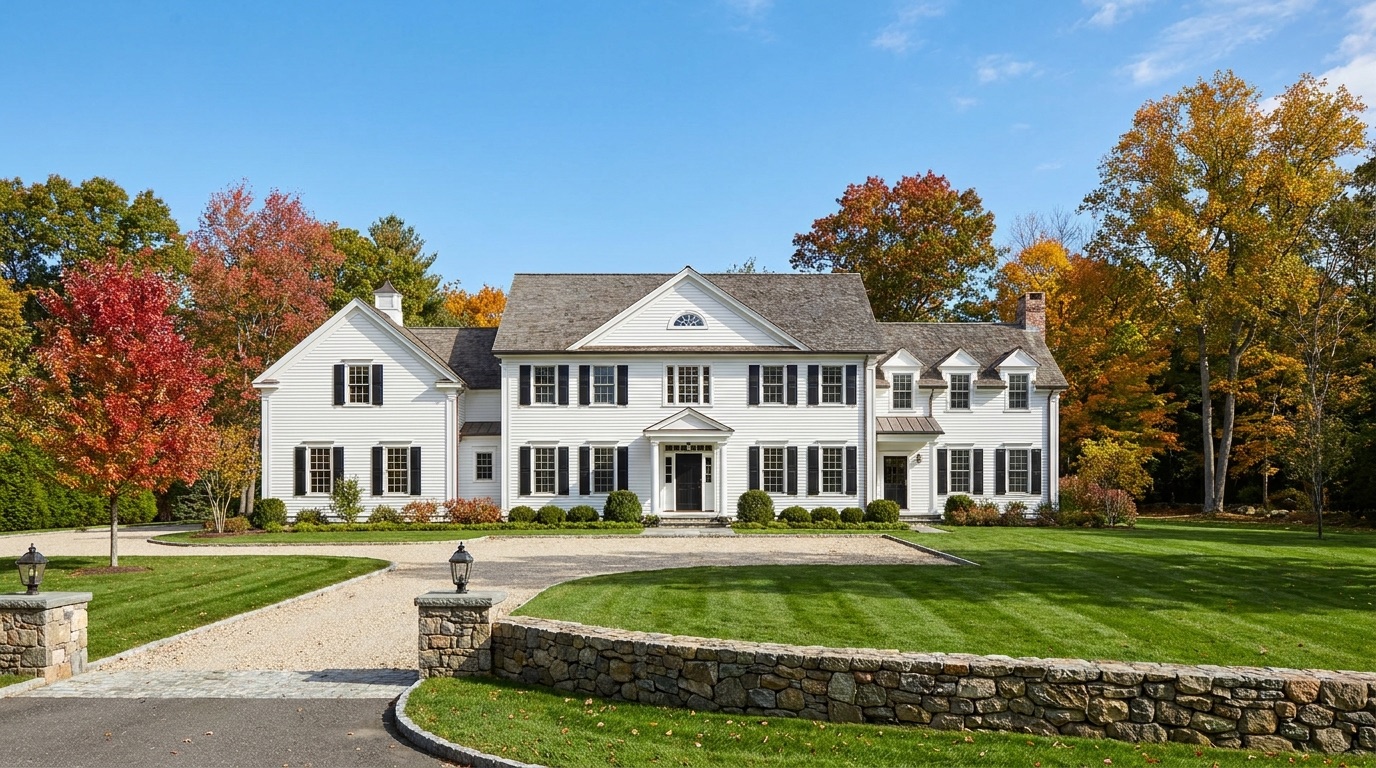
If you want the short answer, here it is up front. In Rhode Island, the best time to sell a house is generally spring, roughly March through June. That is when the most buyers are actively looking, when homes tend to move fastest, and when prices are often at their strongest for the year.
But I would be doing you a disservice if I stopped there. I am a real estate agent with Fathom Realty, licensed in both Rhode Island and Southeastern Massachusetts, and I also run a digital marketing agency. So I look at this question through two lenses at once. One is the honest seasonal pattern. The other is the fact that how you price and market a home matters more than the month printed on the calendar. Let me walk you through both.
The seasonal pattern, month by month
New England has real seasons, and our housing market feels them. Here is how a typical year tends to shape up in Rhode Island. Treat these as general patterns, not guarantees, because every year is a little different.
January and February. These are usually the quietest months. Weather is cold, days are short, and the holidays just wrapped up. Fewer homes come to market and fewer buyers are out. That said, the buyers who are out in February are often serious, because nobody tours houses in a Rhode Island winter for fun.
March through June. This is the heart of the selling season. Buyers come out as the weather warms, families start planning around the school calendar, and the whole market wakes up. Listings get more attention, showings pick up, and well-presented homes can attract multiple offers. If you want the largest possible pool of buyers, this window is usually it.
July and August. Early summer stays strong, and I would fold late June into that momentum. As you move deeper into summer, things can soften a bit. Families who wanted to be settled before the school year have often already bought, and plenty of people are on vacation. It is still an active market, just slightly cooler than peak spring.
September through November. Fall is a solid, underrated season. There is a real second wave of buyers in September and October, people who missed out in spring or got serious later in the year. Activity gradually slows as you head toward the holidays and the first cold snaps.
December. The market goes quiet again around the holidays. Fewer listings, fewer buyers, but the ones who are looking in December usually have a reason to move now.
Why spring tends to peak
A few forces line up in the spring, and they reinforce each other.
- Weather. Homes simply show better when the snow is gone, the lawn is green, and the light is good. Curb appeal is real, and spring hands it to you.
- The school calendar. Families with children often want to be moved and settled before the next school year starts. That pushes a lot of activity into spring and early summer.
- Buyer psychology. After a long New England winter, people are ready to get out and do things. Touring homes is one of them.
- More inventory feeds more demand. As more sellers list in spring, more buyers show up to shop, and the energy builds on itself.
The result is a market with the most buyers competing at once, which is exactly the condition that tends to support strong offers and strong prices.
The honest case for selling in the off season
Here is where a lot of advice stops, and where I think it gets interesting. Spring gives you the most buyers, but it also gives you the most competition from other sellers. Everyone has heard the same advice. So the spring market can be crowded with listings, and your home is one of many.
The off season flips that equation.
In winter and the slower stretches of the year, there are fewer buyers, but there are also far fewer homes for them to choose from. Less competition can mean your listing gets more attention, not less.
The buyers who are out in January or December tend to be motivated. Someone relocating for a job, someone who just sold and needs to land somewhere, someone dealing with a life change that will not wait for April. These are not casual browsers. They are often ready to act, and they are not distracted by twelve other open houses that same weekend.
So if your timeline points to the off season, do not assume you have to wait. A well-priced, well-marketed home in December can outperform a mediocre listing in May. I have seen the calendar matter far less than people expect.
How New England weather and holidays factor in
We cannot pretend our winters are mild, so let me be practical about them.
Snow, ice, and gray skies work against a listing visually, which is why photography and timing your launch matter more in the cold months. If your home has great exterior features, a garden, a deck, a view, consider whether photos taken in a greener season would show it better, or lean into cozy interior staging that makes the house feel warm the moment someone walks in.
The holidays are their own thing. Late November through the new year, attention drifts. Many sellers deliberately pull back or wait to list until January. That reduced competition is precisely the opportunity for a seller who is ready to go. It is a quieter room, but the people in it are listening.
And do not underestimate a New England fall. Autumn here is genuinely beautiful, and a home framed by fall color photographs wonderfully. September and October give you real buyer activity plus a setting that sells itself.
Why pricing and marketing beat timing almost every time
Now the part I care about most, because this is where my two jobs overlap. You can pick the perfect month and still sit on the market if the fundamentals are wrong. And you can sell in the dead of winter if the fundamentals are right. Timing is a tailwind. Pricing and marketing are the engine.
Here is what actually moves a home in any season.
- Price it to the current market, not to last year and not to your hopes. The single most common reason a good home lingers is a price set above what buyers will pay right now. Correct pricing from day one, backed by real comparable sales in your specific town and price band, creates momentum. Overpricing in spring can still fail. Correct pricing in January can still win.
- Present it well. Clean, decluttered, minor repairs handled, and staged enough that buyers can picture themselves living there. First impressions are decided in seconds.
- Market it where buyers actually are. This is my agency brain talking. Most buyers start online, so professional photography, a well-written listing, and strong distribution across the sites and searches people use are not extras. They are the whole ballgame. A home that looks great in the feed gets more showings, and more showings create more competition among buyers.
- Match the strategy to the property. A starter condo, a family home near good schools, and a higher-end waterfront property do not follow the same seasonal rhythm. Price band and home type change the picture. So does your personal timeline. The right time to sell is partly about the market and partly about your life.
That last point is the honest heart of it. The best time to sell is generally spring in Rhode Island. But the best time to sell your home is the point where the market conditions, your property type, and your own timeline line up, executed with sharp pricing and real marketing.
So, when should you sell?
If you have flexibility and want the biggest buyer pool, aim for spring, roughly March through June, with early summer close behind. If your timeline lands in the fall or winter, do not talk yourself out of it. Less competition and motivated buyers can absolutely work in your favor, as long as the home is priced right and marketed well.
The truth is that timing is one input among several, and it is rarely the deciding one. A home that is priced correctly, presented well, and marketed to the right buyers sells in any season. That is the part you control, and it is the part I focus on.
If you are thinking about selling in Rhode Island or Southeastern Massachusetts and want a straight, numbers-driven read on your specific situation, town, price band, and timeline, let's talk. You can book a consultation or start with a free home valuation to see where your home stands today.

Written by
David Peterson
David is a real estate agent with Fathom Realty, dual-licensed in Rhode Island (RES.0047177) and Massachusetts (9577507-RE-S). He serves the Providence metro, the East Bay and coastal Rhode Island, and Southeastern Massachusetts, and brings a digital marketing agency background to every listing.
Need a strategy tailored for your family?
As a dual-licensed professional working on both sides of the line, I'll build custom financial models, tax maps, and school evaluations specifically for your objectives.
Calculate Your Home's True Comparative Value