The Real Cost of Living in Rhode Island (2026): An Honest Breakdown
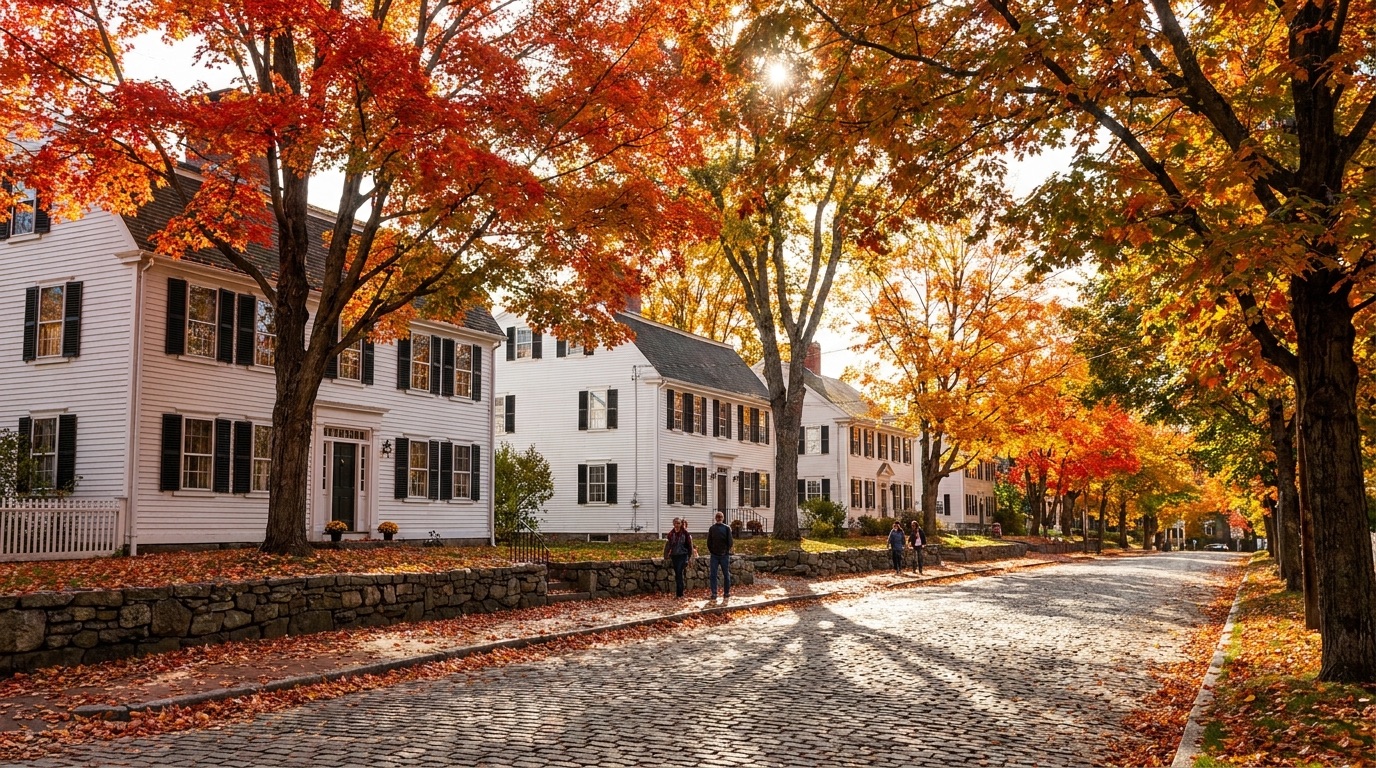
Here is the honest answer up front. Rhode Island is more affordable than Greater Boston, but it is not a cheap place to live. If you are moving down from the Boston metro, you will almost certainly save money, mostly on housing. If you are coming from a lower-cost part of the country, Rhode Island will feel expensive. The two numbers that swing your budget the most are your housing cost and your property tax bill, and both vary a lot by town.
I am a real estate agent licensed in both Rhode Island and Southeastern Massachusetts, so I sit right on the border where people compare these two states every week. Below is a plain breakdown of what it actually costs to live here in 2026, category by category, with real towns named. These are general 2026 ranges to help you plan, not tax or legal advice, and mill rates and tax rates change every year, so verify the current numbers for the specific town before you commit.
Housing: the biggest line item by far
Housing is where Rhode Island wins against Boston and where most of your monthly cost lives. As a rough guide for 2026, the median single-family price across the Providence metro runs in the high 300s to low 400s (in the hundreds of thousands). But a state median hides everything that matters, so here is how it tiers out by area.
Entry and value tier (roughly high 200s to high 300s): Pawtucket, Central Falls, Woonsocket, West Warwick, and parts of Providence itself. These are where first-time buyers and people priced out of Boston tend to land. You get older housing stock, closer-in commutes, and the lowest entry points in the state.
Mid tier (roughly low 400s to high 500s): Cranston, Warwick, Johnston, North Providence, Cumberland, and much of the Blackstone Valley. Solid suburban towns, decent schools, reasonable commutes to Providence.
Upper tier (roughly 600s and well up from there): East Greenwich, Barrington, and the East Bay generally, plus anything on the water. Newport and the coastal South County towns (Narragansett, South Kingstown, Charlestown, Westerly) carry a premium driven by tourism, second homes, and limited supply. Waterfront in Newport or Watch Hill is its own market entirely.
For context, a comparable single-family home inside Route 128 near Boston frequently runs several hundred thousand dollars more than its Rhode Island equivalent. That gap is the single biggest reason people make the move south. If you want a specific read on what your budget buys in a specific town, I am happy to pull real numbers for you.
Renters are not exempt from the squeeze. Two-bedroom rents in Providence, Pawtucket, and the closer suburbs have climbed steadily. You will pay less than Cambridge or Somerville, but do not expect a bargain.
Property taxes: the mill rate is the number to watch
This is the category people underestimate. Rhode Island funds its towns largely through property tax, and the rate (the mill rate, expressed as dollars per 1,000 dollars of assessed value) varies dramatically from town to town. Two houses with the same price can carry very different tax bills depending on which side of a town line they sit on.
As a general 2026 frame, residential mill rates in Rhode Island commonly land somewhere in the mid-teens to low-20s per 1,000 dollars of assessed value, but there are towns above and below that band, and several communities use different rates for owner-occupied versus non-owner-occupied property or apply homestead exemptions. Providence, Pawtucket, Woonsocket, and some of the older cities sit toward the higher end. A number of the wealthier or coastal towns, like Little Compton, New Shoreham (Block Island), Charlestown, and Narragansett, sit lower on the mill rate, though their high home values can still produce a large bill.
Here is the practical math. Take the assessed value, divide by 1,000, and multiply by the mill rate.
- A home assessed at 400,000 dollars in a town with a 15 mill rate: roughly 6,000 dollars a year.
- The same 400,000 dollar home in a town with a 20 mill rate: roughly 8,000 dollars a year.
That 2,000 dollar annual difference is real money, and it repeats every year you own the home. Always look up the current mill rate and any homestead exemption for the exact town before you decide it is affordable. Do not trust a rate you saw two years ago, because these get reset.
The list price gets the attention, but the mill rate is what quietly sets your monthly payment for as long as you own the house. Check it early, not at the closing table.
Heating and utilities: respect the old housing stock
Rhode Island has a lot of old homes. Triple-deckers in Providence and Pawtucket, mill-town houses in Woonsocket and West Warwick, colonials and capes all over the state. Charm comes with drafts, and New England winters are real.
The biggest variable is how the house is heated. Many older homes still run on heating oil, which means you are buying fuel by the delivery and your winter cost swings with oil prices. Homes on natural gas (common in the denser cities and newer developments) tend to be cheaper and steadier to heat. Electric heat can be the most expensive of all. When you tour a house here, one of the first questions worth asking is what it burns and how old the system is. A poorly insulated oil-heated colonial can cost noticeably more to keep warm across December through March than a comparable gas-heated home.
Electricity in Rhode Island is not cheap either. Rates in the Northeast run above the national average, so budget accordingly, especially if the home has central air for the humid summers. Water and sewer are billed by the municipality and are modest by comparison but not nothing.
Sales tax, income tax, and the car tax that disappeared
Now the state-level taxes, where Rhode Island is fairly middle of the road.
Sales tax is a flat 7 percent statewide. There are no local add-ons, so it is the same in Providence as it is in Westerly. Groceries (unprepared food) and clothing are generally exempt, which softens the everyday impact. Prepared meals carry an additional local meals tax on top of the 7 percent.
Income tax is progressive with three brackets, running from roughly 3.75 percent at the low end to about 5.99 percent at the top. Compared to Massachusetts, which uses a flat rate plus a surtax on very high incomes, Rhode Island is competitive for most middle-income households and simpler to estimate.
The car tax is gone. This one matters and a lot of newcomers do not know it. Rhode Island phased out its municipal motor vehicle excise tax, so you are no longer getting a separate annual bill from your town just for owning a car. For years that tax was one of the more painful line items here, and its elimination genuinely changed the math of living in the state. Confirm the current status for your town, but the statewide phase-out is one of the better pieces of news for Rhode Island budgets in a long time.
Groceries, gas, and everyday costs
Everyday costs in Rhode Island track a little above the national average but sit below Boston. Groceries are exempt from sales tax, which helps, though prices at the register run a touch higher than the middle of the country because of Northeast logistics. Gas prices are roughly in line with the regional average. Healthcare and childcare are meaningful costs here, as they are across New England, so factor them in if they apply to your household.
So how does it compare to Massachusetts and Boston?
This is the comparison I get asked about most, because so many of my clients are weighing the two.
- Housing: Rhode Island wins clearly. You get materially more house for the money than in the Boston metro, and even against Southeastern Massachusetts towns like Attleboro, Seekonk, Rehoboth, or Fall River, Rhode Island is often competitive.
- Property tax: It depends entirely on the town on both sides of the border. Some Massachusetts towns are lower than some Rhode Island cities, and vice versa. This is a town-by-town fight, not a state-by-state one.
- Income tax: Roughly comparable for most households. Neither state is a low-tax haven.
- Sales tax: Rhode Island at 7 percent is slightly higher than Massachusetts at 6.25 percent, but both exempt groceries and clothing (Massachusetts exempts clothing under a threshold), so the day-to-day gap is small.
- Commuting: Many people buy in Rhode Island and commute toward Providence or even take the MBTA commuter rail from the Providence line toward Boston, capturing the housing savings while keeping the job. That combination is exactly why the border towns stay in demand.
The honest summary: if you are leaving Greater Boston, Rhode Island will very likely lower your total cost of living, driven almost entirely by housing. If you are comparing Rhode Island to a lower-cost region of the country, it will feel expensive, mostly because of home prices, property tax, and winter heating.
The bottom line
Rhode Island is a genuinely good value against Boston and a reasonable, not cheap, place to live in absolute terms. Get the housing tier and the town mill rate right and the rest of the budget is manageable. Get those two wrong and even a modest home can strain your finances. The good news is both are knowable before you buy, and that is exactly the homework worth doing up front.
If you are trying to figure out which Rhode Island town actually fits your budget, or you want a real, current read on prices and tax rates in a specific place, book a consultation and we will run your real numbers. Selling first and want to know where you stand? Start with a free home valuation.
These figures are general 2026 guidance to help you plan and are not tax or legal advice. Mill rates, tax rates, and home prices change, so verify the current numbers for your specific town before making a decision.

Written by
David Peterson
David is a real estate agent with Fathom Realty, dual-licensed in Rhode Island (RES.0047177) and Massachusetts (9577507-RE-S). He serves the Providence metro, the East Bay and coastal Rhode Island, and Southeastern Massachusetts, and brings a digital marketing agency background to every listing.
Need a strategy tailored for your family?
As a dual-licensed professional working on both sides of the line, I'll build custom financial models, tax maps, and school evaluations specifically for your objectives.
Calculate Your Home's True Comparative Value