Moving From New York City to Providence: The Complete Playbook
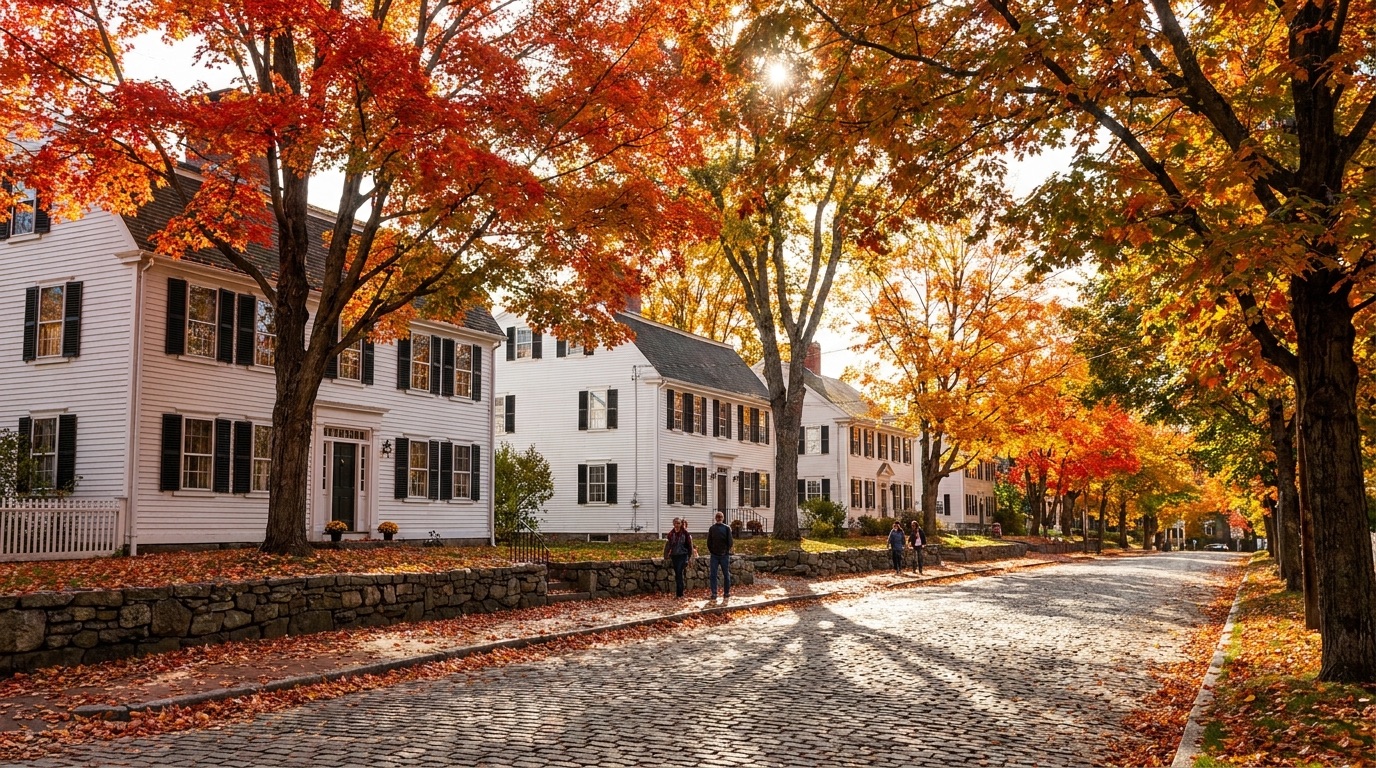
New Yorkers are moving to Providence for one blunt reason: you can keep a version of the city life you like and stop paying Manhattan rent to have it. A one-bedroom that runs roughly $4,500 a month in NYC rents for closer to $1,900 in Providence, and a median home here sits near $580,000 (as of 2026) against a New York City figure north of $800,000, so the same monthly housing budget buys you two to three times the space.
I sell in Rhode Island and Massachusetts, and over the last two years a real share of my buyers have arrived off the train from Penn Station. This is the playbook I wish someone had handed them. No hype, just the tradeoffs, the real figures where I can verify them, and where the honest asterisks are.
### Why are so many New Yorkers actually moving to Providence?
Three forces stack up. Remote and hybrid work untethered a lot of people from a daily Midtown commute. The cost delta between the two cities is enormous. And Providence, unlike a lot of cheaper-than-NYC options, is a genuine small city with a walkable core, a serious food scene, two Ivy-adjacent campuses, and a train that puts you back in Manhattan in about three hours.
The people I work with are not fleeing the city so much as rebalancing. They want a yard, a home office, or simply to stop lighting money on fire, without moving somewhere that feels like nowhere. Providence threads that needle better than almost anywhere else on the Northeast Corridor.
### How do the numbers actually compare?
Here is the side-by-side. I have labeled everything approximate because these figures move month to month and vary by source and neighborhood. Treat them as directional, not quotes.
| Metric | New York City | Providence, RI |
|---|---|---|
| Median home price (approx, as of 2026) | ~$800,000+ | ~$580,000 |
| Typical 1-bedroom rent (approx, as of 2026) | ~$4,500/mo | ~$1,900/mo |
| Cost-of-living index (US avg = 100, approx) | ~179 | ~111 |
| Top state income tax rate (approx) | ~10.9% (plus NYC city tax) | ~5.99% |
| Amtrak time to the other city (approx) | ~3 hours to Providence | ~3 hours to NYC |
A few honest notes on that table. The NYC "median" hides enormous spread. Manhattan is far higher, parts of the outer boroughs are lower. Providence's own median has been climbing, up meaningfully year over year, so this is not the bargain it was five years ago. And the income tax line matters more than people expect: New York City layers a local income tax on top of the state rate, which Rhode Island has no equivalent of.
### The Amtrak reality: is the "3 hours to NYC" real?
Mostly, yes, with an asterisk. The Acela runs New York Penn Station to Providence in roughly three hours, with the fastest scheduled trains just under that. The Northeast Regional, which is cheaper, runs closer to three and a half hours. There are multiple departures a day in each direction, including weekends.
What I tell clients: this is a great setup for going into the city one or two days a week, or for keeping NYC clients, friends, and family in easy reach. It is not a daily commute you will enjoy. Three hours each way is a real day. Budget the train as a "few times a month" tool, not a substitute for living where you work every day. Fares also swing widely by day and how far ahead you book, so the cheap Regional seat and the peak Acela seat are very different line items.
One more practical point: Providence Station sits downtown, walkable to the financial district and a short ride to the East Side. You are not landing at some park-and-ride on the edge of town.
### Which Providence neighborhoods map to the NYC life I have now?
This is the question I get most, so let me translate.
The East Side is the brownstone-Brooklyn analog. Think Benefit Street, Wayland Square, and the leafy blocks around Brown and RISD. Historic homes, tree canopy, walkable to coffee and bookstores, and the highest prices in the city. If you loved Park Slope or Brooklyn Heights, start here. I keep a deeper breakdown in the East Side neighborhood guide because it is where most transplants land and it deserves its own map.
Federal Hill carries the Little Italy energy: Atwater Street, the markets, the restaurants, the feeling that the neighborhood is the point. It is more affordable than the East Side and more social. If you want to walk out your door into a dinner scene, this is it.
Downtown (Downcity) is the loft answer. Converted mills and old commercial buildings, condos, and a growing core of restaurants and galleries. If your NYC life was a downtown apartment and short walks to everything, this is the closest fit, and it puts you minutes from the train.
Beyond those three, the Armory District and the West End are the up-and-coming, more artist-leaning pockets, often better value with real character. And plenty of my NYC buyers end up in the suburbs or over the Massachusetts line entirely once they price out space and schools, which is exactly why I build the search around fit, not just a zip code. You can browse Providence homes to get a feel for the range, and if you are not sure the city core is even right for you, find your best-fit town will get you oriented faster than scrolling listings.
### What about taxes and the day-to-day cost of living?
The income tax swing is the headline. Rhode Island's top rate lands around 5.99%, and there is no city income tax on top of it. New York State's top rate is roughly 10.9%, and New York City adds its own local income tax on residents. For a high earner, that combined difference can be a five-figure annual number. I am not your accountant, so run your own situation, but this is often the quiet reason a move pencils out.
Beyond income tax, Rhode Island property taxes are real and vary a lot by town, so that is a line to check per address, not per state. Everyday costs, groceries, restaurants, services, generally run below NYC but above the national average. The cost-of-living index tells the story: Providence sits around 11% above the US average while NYC runs roughly 79% above it.
### What do people give up moving here?
I would rather you hear this from me than discover it in month three. Providence is a small city, not New York. The nightlife is real but finite. Some direct flights and conveniences you took for granted require a drive to Boston or T.F. Green. Winters are New England winters. And the housing market here, while cheaper than NYC, is competitive and low on inventory, so the mental model of "everything is cheap and available" is wrong. Good homes in the East Side and Federal Hill move fast.
What you gain, in my clients' words: space, quiet, a shorter everything, a food scene punching above its size, and money left over at the end of the month.
### Frequently Asked Questions
#### Is Providence really that much cheaper than NYC? Yes, on housing and taxes, meaningfully. A median home runs roughly $580,000 here versus $800,000-plus in NYC (both approximate, as of 2026), rent is often less than half, and there is no city income tax. Everyday costs are lower than NYC but still above the national average, so budget realistically rather than assuming everything is cheap.
#### Can I keep my NYC job and commute by train? For a day or two a week, comfortably. The Acela reaches New York Penn Station in about three hours, the cheaper Northeast Regional closer to three and a half. As a daily round trip it is a lot. Most of my hybrid clients go in a few times a month and treat the train as a tool, not a commute.
#### Which neighborhood should a Brooklyn person look at first? The East Side. It is the closest thing to brownstone Brooklyn: historic homes, walkable squares, tree-lined blocks, and the city's top schools nearby. It also carries the highest prices in Providence, so pair it with Federal Hill and Downcity as comparisons before you commit.
#### How competitive is the Providence market right now? Tighter than transplants expect. Prices have climbed year over year and inventory is limited, so desirable homes on the East Side and Federal Hill can move quickly and draw multiple offers. Being pre-approved and ready to act matters here, even coming from a tougher market.
#### Should I buy in the city or look at the suburbs? It depends on space, schools, and how much walkability you need. Many NYC buyers start set on the urban core and end up in a nearby town or across the Massachusetts line once they weigh price and lot size. That is exactly the tradeoff I help map before we tour anything.
If you are weighing the move, let's turn these numbers into a plan built around your budget, your commute, and the life you actually want. Start by telling me what matters most and find your best-fit town, then reach out and we will build the search from there.

Written by
David Peterson
David is a real estate agent with Fathom Realty, dual-licensed in Rhode Island (RES.0047177) and Massachusetts (9577507-RE-S). He serves the Providence metro, the East Bay and coastal Rhode Island, and Southeastern Massachusetts, and brings a digital marketing agency background to every listing.
Need a strategy tailored for your family?
As a dual-licensed professional working on both sides of the line, I'll build custom financial models, tax maps, and school evaluations specifically for your objectives.