Pre-Listing Inspection in Rhode Island: Worth It in an Old-Housing Market?
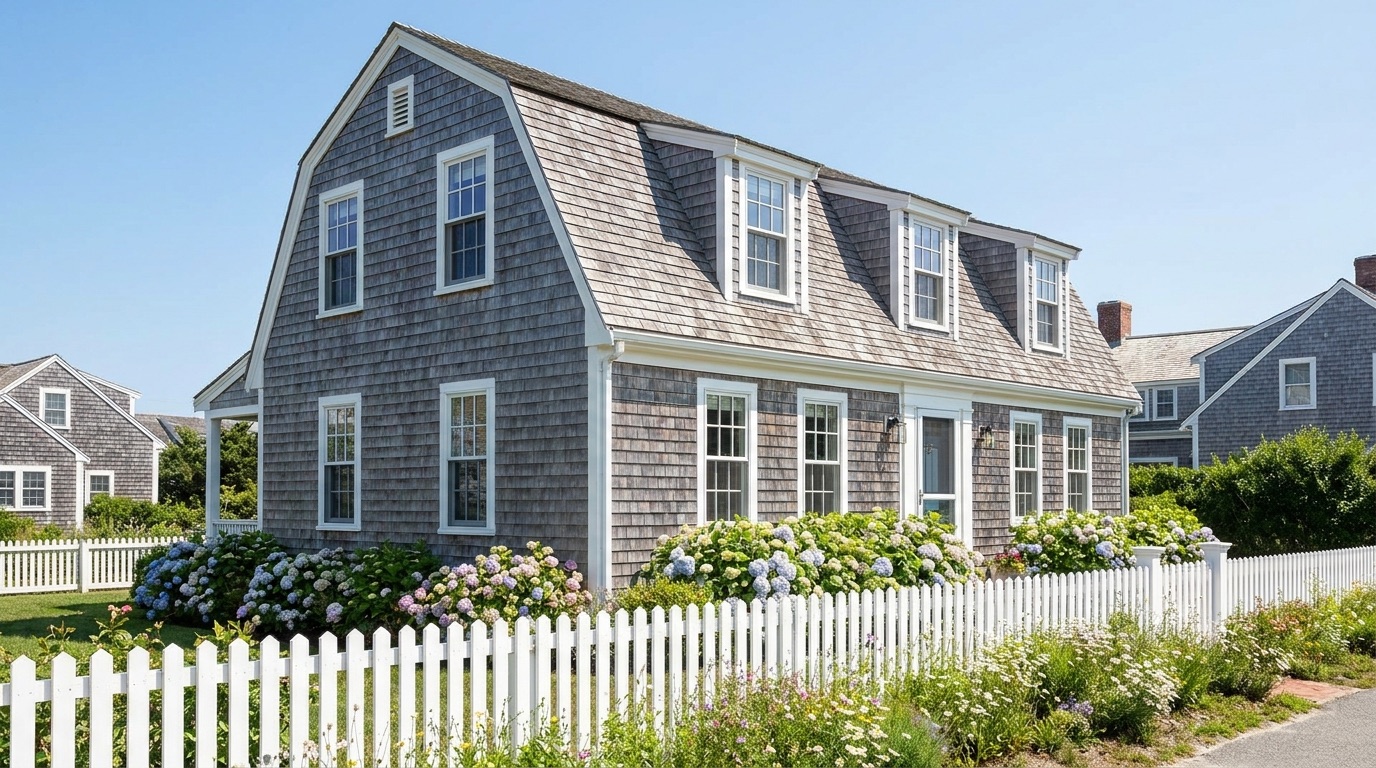
In Rhode Island, a pre-listing inspection is usually worth it, because our housing stock is old enough that surprises are the rule, not the exception. If your home is dated or you are a seller who hates uncertainty, paying a few hundred dollars to find the problems before a buyer's inspector does is one of the cheapest pieces of leverage you can buy.
That said, it is not automatic. If your home was recently renovated top to bottom, the math changes. Let me walk through how I actually think about this with sellers across Rhode Island and Massachusetts.
### Why does Rhode Island's old housing matter so much here?
Rhode Island has some of the oldest housing stock in the country. Walk through Providence, Pawtucket, Woonsocket, or the older streets of Warwick and Cranston and you are looking at homes built before World War II, many before 1920. That age is charm on the outside and risk on the inside.
Old homes carry a predictable set of issues that buyers' inspectors are trained to hunt for:
* Knob-and-tube wiring or an outdated electrical panel * Buried oil tanks in the yard, or an abandoned one nobody disclosed * Lead paint, which is nearly universal in pre-1978 homes * Old roofs at or past the end of their service life * Wet basements and foundation moisture, common in our climate and our clay soils
None of these are automatically deal-killers. But when a buyer's inspector finds one and you did not know it was coming, you lose control of the conversation. A pre-listing inspection puts you back in control before the first showing.
### What does a pre-listing inspection actually do for me?
A pre-listing inspection is the same walk-through a buyer would order, except you order it before you list. You get the same report a buyer's inspector would produce, so you see your home the way the market will see it.
That gives you three moves you would not otherwise have. You can fix the real problems on your own timeline and with your own contractors, instead of under deadline pressure during a live deal. You can price for issues you choose not to fix, so the number reflects reality and does not get renegotiated later. And you can disclose upfront, which builds trust and removes the buyer's biggest fear, that something is being hidden.
For a deeper look at what an inspector checks room by room, I wrote a full breakdown of what a home inspection covers. The pre-listing version covers the same ground.
### What are the honest downsides?
There are two, and I will not soft-pedal either one.
The first is cost. A pre-listing inspection typically runs a few hundred dollars (approximate, and it scales with square footage and add-ons like radon or oil-tank sweeps). That is money out of pocket before you have a buyer.
The second is the one sellers underestimate. In Rhode Island, once you know about a material defect, you have to disclose it. The state uses a mandatory seller disclosure form, and knowledge triggers the obligation. So if your inspection turns up a real problem and you decide not to fix it, you cannot quietly list as if you never learned it. You disclose, or you fix. There is no third door.
I treat that as a feature, not a bug. Undisclosed defects are how deals blow up at the closing table or turn into lawsuits afterward. Knowing early lets you handle it cleanly. But you should go in understanding that an inspection is a commitment to honesty, not just an information-gathering exercise.
Here is the tradeoff in one view.
| Pros of a pre-listing inspection | Cons of a pre-listing inspection |
|---|---|
| Find problems before a buyer's inspector does | Costs a few hundred dollars upfront (approximate) |
| Fix issues on your timeline, not under deadline pressure | Whatever you learn, RI rules require you to disclose it |
| Price accurately for defects you choose not to fix | You may uncover something you would rather not have known |
| Reduce mid-deal renegotiation over surprises | A clean report can go stale if you list months later |
| Lower the odds a deal falls through after inspection | Buyers may still order their own inspection anyway |
| Market a clean report as a trust signal | Not much upside on a recently renovated home |
### So who should actually get one?
Here is the framework I use. A pre-listing inspection earns its cost when uncertainty is high and the downside of a surprise is large.
Get one if:
* Your home is older or dated, especially pre-1978, with original systems * You have never had major systems evaluated and genuinely do not know their condition * You are a nervous seller who wants to price and negotiate from a position of knowledge * You are selling an inherited or long-held property you have not lived in recently
You can probably skip it if:
* Your home was recently renovated down to the electrical, plumbing, roof, and HVAC * You have recent documentation on the major systems and their condition * You already know your home's issues and plan to disclose and price for them anyway
Notice that a buyer will very likely order their own inspection regardless. A pre-listing inspection does not replace theirs. What it does is make sure their report tells you nothing you did not already know, which is exactly the position you want to negotiate from.
### How this fits into the way I sell homes
I do not treat the pre-listing inspection as a standalone gimmick. It is one input into pricing and positioning. When I know the condition of a home before it hits the market, I can build the listing strategy around reality: fix what should be fixed, disclose what should be disclosed, and price with confidence instead of hope. That is part of how I sell with agency-grade marketing rather than just posting photos and waiting.
A clean, disclosed report also becomes a marketing asset. When a buyer sees that the seller inspected upfront and put the results on the table, it signals a home that has nothing to hide. In an old-housing market, that signal is worth real money.
If you want a straight answer on whether your specific home is a good candidate for a pre-listing inspection, that is a five-minute conversation. Contact David and tell me the age of the home and what you already know about its systems. I will tell you honestly whether the inspection is worth it for you or whether your money is better spent elsewhere.
### Frequently Asked Questions
#### How much does a pre-listing inspection cost in Rhode Island?
Plan on a few hundred dollars as an approximate range, scaling with the size of the home. Add-ons like radon testing, oil-tank sweeps, or sewer scoping cost extra. It is a small number relative to the price of a renegotiation or a collapsed deal.
#### Do I have to disclose what the inspection finds?
Yes. Under Rhode Island's mandatory seller disclosure rules, once you know about a material defect you are obligated to disclose it. That is why an inspection is a commitment: you either fix the issue or you disclose and price for it. You cannot un-know it.
#### Will the buyer still get their own inspection?
Almost always, yes. A pre-listing inspection does not replace the buyer's. Its value is that the buyer's report should contain no surprises for you, so you negotiate from knowledge instead of reacting to bad news mid-deal.
#### Is a pre-listing inspection worth it for a newer or renovated home?
Usually not. If your home was recently renovated down to the major systems and you have documentation, the odds of a costly surprise are low, and the inspection buys you little. The value is highest on older, dated, or long-held homes where the condition is genuinely unknown.
Thinking about selling an older Rhode Island or Massachusetts home and not sure what an inspector will find? Contact David and we will figure out the smart move before you list.

Written by
David Peterson
David is a real estate agent with Fathom Realty, dual-licensed in Rhode Island (RES.0047177) and Massachusetts (9577507-RE-S). He serves the Providence metro, the East Bay and coastal Rhode Island, and Southeastern Massachusetts, and brings a digital marketing agency background to every listing.
Need a strategy tailored for your family?
As a dual-licensed professional working on both sides of the line, I'll build custom financial models, tax maps, and school evaluations specifically for your objectives.