The Remote Worker's Guide to Relocating to Rhode Island
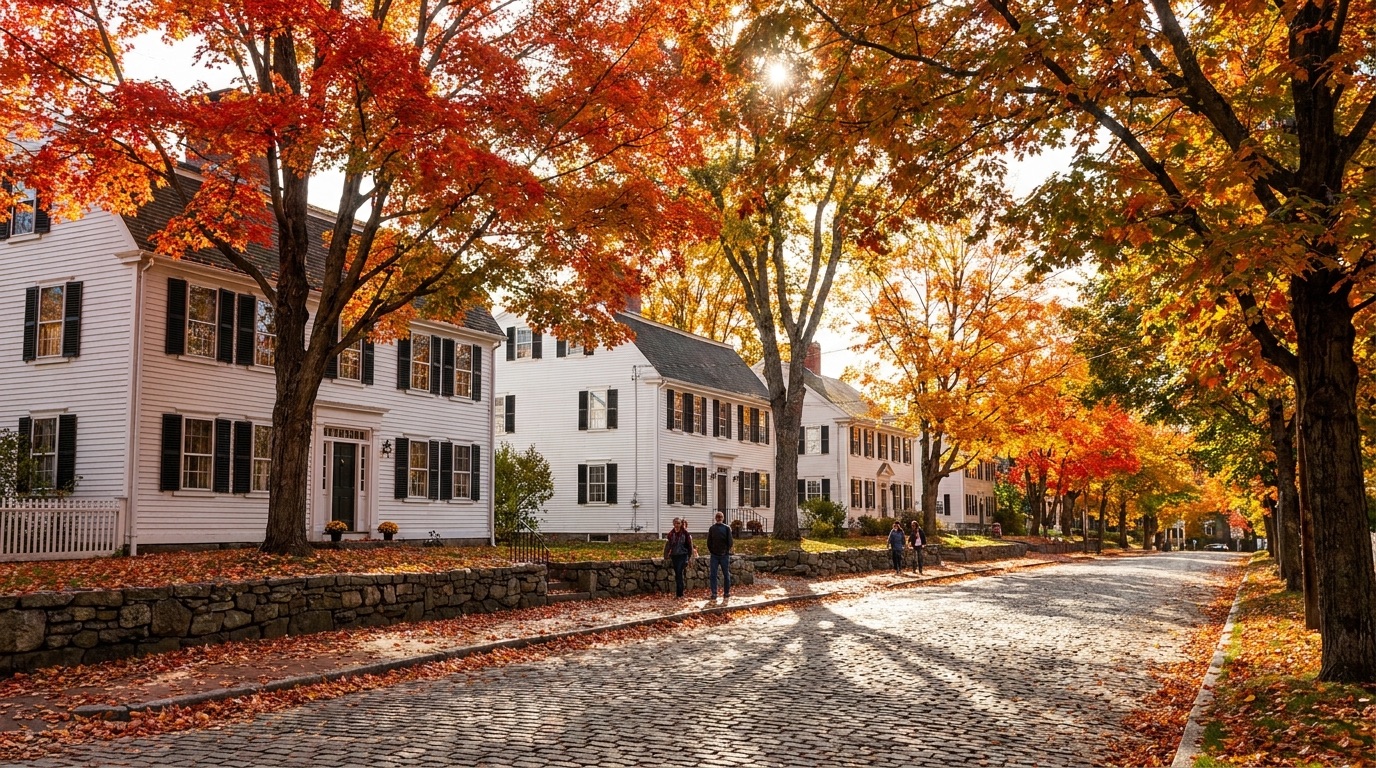
Remote workers are relocating to Rhode Island because it delivers Northeast access, real ocean coastline, and a walkable capital city at roughly half the housing cost of Boston and a small fraction of Manhattan. As of 2026, a median Rhode Island home runs near 420,000 dollars versus roughly 800,000 in Greater Boston and well over 1 million in New York City, so the same salary that felt tight in a metro apartment can buy a real house with a yard here.
I sell in both Rhode Island and Massachusetts, and over the past few years the single fastest-growing buyer type I work with is the person whose office is now their laptop. Below is the honest version of what that move looks like, including the tradeoffs nobody puts in the brochure.
### Why are remote workers choosing Rhode Island over Boston or NYC?
The math is the whole story. If your paycheck no longer depends on a specific address, you are free to arbitrage it, and Rhode Island is one of the cleanest arbitrage plays in the Northeast. You keep four seasons, ocean access, and a two-hour train to Boston or a longer haul to New York, but you shed the metro price tag.
Here is how the three markets compare on the things a remote worker actually weighs.
| Factor (as of 2026) | Rhode Island | Boston | New York City |
|---|---|---|---|
| Median home price | ~420,000 dollars | ~800,000 dollars | ~1.1 million dollars |
| Cost of living index (US avg = 100) | ~120 | ~150 | ~185 |
| State income tax (top rate) | ~5.99 percent | ~5 percent flat (plus surtax) | ~10.9 percent state + city tax |
| Coastline and lifestyle | 400+ miles of shoreline, beach towns | Harbor, limited beach access | Boroughs, distant beaches |
All figures are approximate and rounded for comparison, but the direction is not subtle. You are trading very little in access for a lot in monthly cost.
### What does the money actually buy you here?
In practical terms, a budget that lands you a one-bedroom condo inside Route 128 near Boston buys a three-bedroom single-family in much of Rhode Island. A New York City down payment can be a Rhode Island house.
* Lower purchase price means a smaller mortgage and a faster path to real equity. * More square footage matters when your home is also your office, and often your gym and your school pickup base. * A yard, a driveway, and a dedicated room for work stop being luxuries.
I always tell buyers to treat the home as a financial asset first. In Rhode Island the entry price is low enough that the asset starts working for you sooner.
### Is the internet actually good enough to work from here?
Yes, in most towns. This is the first question every remote buyer asks me, and it is the right question. Cox and Verizon Fios cover most of the state, with fiber available in Providence, the suburbs, and a growing list of coastal towns. Gigabit service is common.
The honest caveat is that the further out you go into rural corners of the state or certain waterfront pockets, the more you need to verify service address by address. I check the exact property, not the town, before a remote buyer writes an offer. Never assume the listing photo of a home office means the fiber reaches the street.
### Which Rhode Island towns fit a remote worker best?
There is no single answer, so I sort buyers into three archetypes.
* Providence East Side for walkable urban living. Think coffee shops, Brown and RISD energy, historic homes, and the ability to walk to dinner. This is the closest thing to city life without city prices. * East Greenwich or Barrington for family suburbs. Strong schools, a commuter-friendly feel, water views in Barrington, and a Main Street in East Greenwich that people actually use. * South County and Wakefield for the coastal life. Narragansett, the URI area, and the South County beaches. If the point of going remote was to live near the ocean, this is where you do it.
If you are not sure which archetype is yours, find your best-fit town is the tool I built to narrow it down before you spend a weekend driving around.
### How easy is it to get to the office when you do need to go in?
Easier than most people expect, which is what makes the whole plan work. Providence sits on the Amtrak Northeast Corridor, so the train to Boston is roughly 40 to 60 minutes and New York is a direct ride down the coast. The MBTA commuter rail also connects Providence and points south into Boston for a cheaper, if slower, trip.
For flying, T.F. Green Airport in Warwick is small, close, and genuinely pleasant to use compared with Logan or the New York airports. Parking is cheap and the security lines are short. If your job is remote-first with occasional in-person weeks, that combination of Amtrak plus a nearby airport is the quiet superpower of living here.
### What are the honest tradeoffs?
I will not pretend Rhode Island is free money. There are real costs to weigh.
* Property taxes. Rhode Island property tax rates are meaningful and vary a lot by town, so a cheaper house can carry a higher annual tax bill than you expect. I run the actual tax line on every property before you fall in love with it. * State income tax. The top rate near 5.99 percent is higher than a few no-income-tax states people also consider. If you are comparing Rhode Island to Florida or Texas, tax is a real factor. If you are comparing it to New York City, Rhode Island wins comfortably. * Winters. They are real. Snow, gray stretches in February, and heating bills. This is New England, not the Sun Belt, and you should want the four seasons rather than tolerate them. * Smaller job market on the ground. If your remote role ever ends, the local in-person market is thinner than Boston. Keep that in your risk math.
None of these are dealbreakers for most of my remote buyers. They are line items, and I would rather you see them now than at closing.
### How should a remote worker actually run this move?
Treat it like the financial decision it is. Get your financing sorted early, because a strong pre-approval moves faster than the competition. Then decide your archetype, verify broadband at the specific address, and model the full monthly carry including property tax, not just the mortgage.
I put the full step-by-step in your Rhode Island move checklist so you can work through it in order. When you are ready to walk actual properties, that is where I earn my keep.
### Frequently Asked Questions
#### Is Rhode Island cheaper than Massachusetts for a remote worker?
Generally yes on housing. A median Rhode Island home runs well below Greater Boston, so your money buys more space. Massachusetts has a slightly lower headline income tax, but the housing gap usually outweighs it for buyers coming from the Boston metro.
#### Can I really get reliable fiber internet in Rhode Island?
In most towns, yes. Cox and Verizon Fios cover the bulk of the state with gigabit options, and Providence plus the suburbs are well served. The one rule is to verify the exact property address, because rural and some waterfront pockets are thinner.
#### How long is the commute to Boston or New York if I go in occasionally?
Providence to Boston is roughly 40 to 60 minutes by Amtrak, and New York is a direct ride down the Northeast Corridor. T.F. Green Airport in Warwick handles flights and is far less stressful than Logan. Occasional in-office weeks are very manageable.
#### What is the biggest surprise cost for people relocating here?
Property taxes. Rates vary widely by town, so a lower purchase price can still carry a higher annual tax bill than buyers expect. I always run the real tax number on a specific property before you commit, so there are no surprises at closing.
Relocating on your own schedule is a genuine advantage, and Rhode Island is one of the best places in the Northeast to spend it. When you want a straight read on price, taxes, and the right town for your situation, contact David and we will build the plan around your numbers.

Written by
David Peterson
David is a real estate agent with Fathom Realty, dual-licensed in Rhode Island (RES.0047177) and Massachusetts (9577507-RE-S). He serves the Providence metro, the East Bay and coastal Rhode Island, and Southeastern Massachusetts, and brings a digital marketing agency background to every listing.
Need a strategy tailored for your family?
As a dual-licensed professional working on both sides of the line, I'll build custom financial models, tax maps, and school evaluations specifically for your objectives.