BRRRR in a High-Tax State: The Rhode Island Math
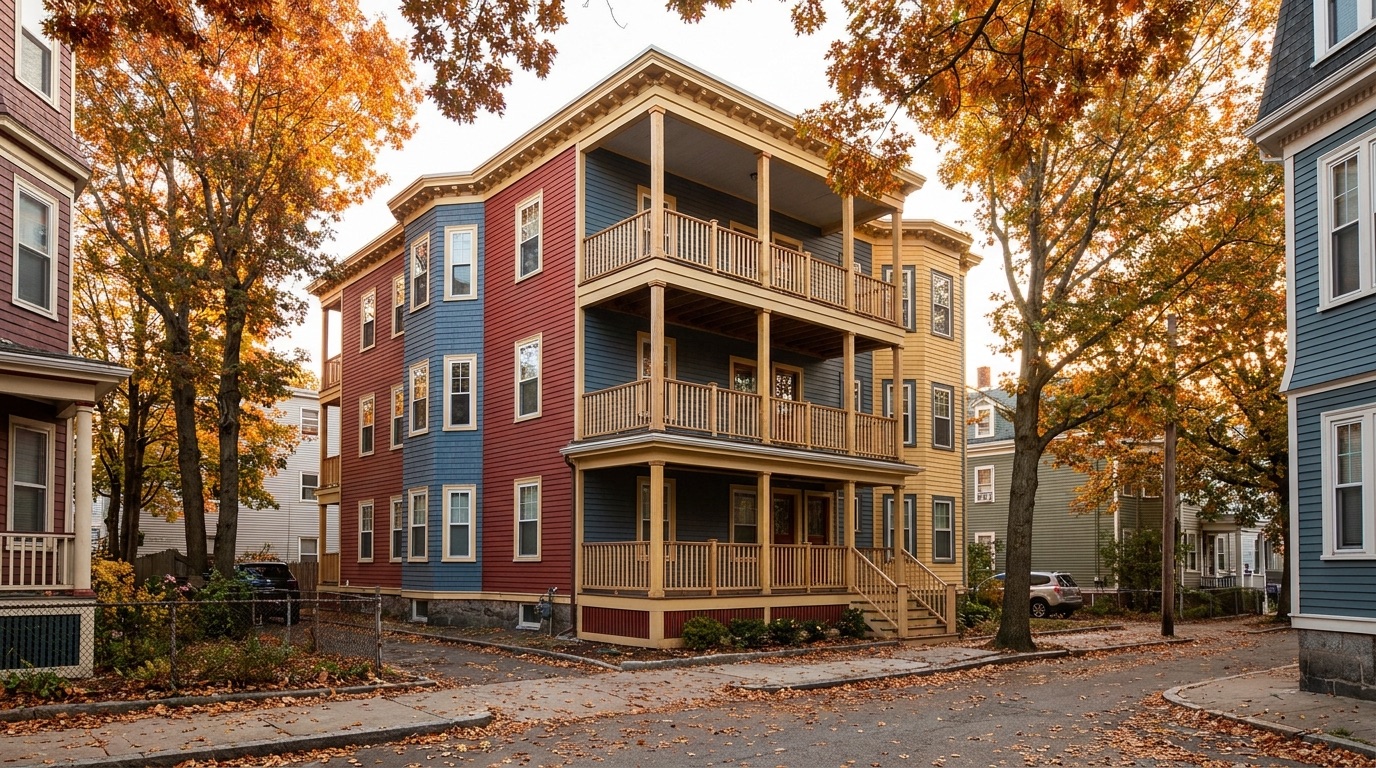
BRRRR stands for Buy, Rehab, Rent, Refinance, Repeat, and it is the strategy where you buy a distressed property with short-term money, fix it, rent it out, then refinance based on the new higher value so you can pull most of your original cash back out and go do it again. In Rhode Island the strategy still works, but our property taxes run higher than in a lot of the states where BRRRR gurus built their spreadsheets, and that single line item quietly eats a chunk of the cash flow that makes the whole loop worth running. If you model taxes on day one, the math holds. If you plug in a national-average number, you will be disappointed at the closing table on the refinance.
I am a Rhode Island and Massachusetts agent, not a lender, and this is not a promise about any specific deal. What I can do is walk you through how the numbers move so you can pressure-test a deal before you write an offer.
### What does BRRRR actually solve for?
The point of BRRRR is capital recycling. In a normal rental purchase, your down payment stays trapped in the property for years. BRRRR tries to get that cash back fast by forcing appreciation through the rehab, then borrowing against the new value. Done right, you end up owning a stabilized rental with little or none of your own money left in it, which is what lets you repeat.
Every letter has a failure point, but the two that decide the deal in Rhode Island are the refinance (does the new value support pulling your cash back out) and the ongoing expenses (does the property still cash flow after our tax bill). Those two are linked, and taxes touch both.
### How does the refinance and ARV step work?
ARV means After Repair Value, the appraised value of the property once the rehab is done. When you refinance, the lender orders an appraisal, and most conventional cash-out refinances on investment property will lend you up to about 70 to 75 percent of that appraised value. So if your all-in cost (purchase plus rehab plus carrying costs) is at or below roughly 75 percent of a realistic ARV, you can pull most or all of your cash back out.
The trap is optimistic ARV. Appraisers in our market are conservative, and they pull comparable sales from the actual neighborhood, not from your renovation budget. I have seen investors assume a number, get an appraisal 30,000 dollars lower, and suddenly leave 25,000 dollars stuck in the deal. Before you buy, get a real broker price opinion on the ARV from someone who sells in that specific town. That is a conversation I am happy to have property by property.
### Why do Rhode Island property taxes change the math?
Because taxes are a permanent monthly cost that scales with the higher value you just created. This is the cruel irony of BRRRR in a high-tax state: the more successfully you raise the ARV, the more the town can eventually assess and tax. And our effective rates in a number of cities run well above what the standard BRRRR spreadsheet assumes.
Rates vary a lot by town, which is why you cannot use one blended number. A three-family in one city can carry a materially different bill than the same building a few miles away. Model the actual town rate against the post-rehab assessed value, not the price you paid. I keep a running breakdown in Rhode Island property taxes by town, and it is the first thing I check on any investor deal.
### Can you show me the numbers?
Here is a worked pro forma. These are round illustrative numbers to show how the pieces interact. It is an illustrative example, not a guarantee, and not a real listing.
| Line item | Amount (illustrative example, not a guarantee) |
|---|---|
| Purchase price | 250,000 |
| Rehab budget | 60,000 |
| Carrying and closing costs | 15,000 |
| All-in cost | 325,000 |
| Appraised ARV | 440,000 |
| Cash-out refinance at 75 percent of ARV | 330,000 |
| Cash left in deal after refinance | 0 (all-in recovered) |
| New loan monthly payment (principal and interest) | 2,050 |
| Gross monthly rent (three units) | 4,200 |
| RI property tax (higher-rate town, monthly) | 700 |
| Insurance (monthly) | 250 |
| Vacancy, repairs, management reserves | 630 |
| Total monthly expenses | 3,630 |
| Monthly cash flow | 570 |
Notice what the tax line does. At 700 dollars a month it is the second-largest expense after the mortgage, and it is bigger than insurance and reserves combined. Drop that town's rate and the deal breathes. Raise it, or let the town reassess the rebuilt building upward, and that 570 dollars of cash flow can get cut in half. The tax figure is not a rounding error in Rhode Island. It is a swing factor.
Also notice the refinance recovered the full all-in cost because the deal was bought at roughly 74 percent of ARV. That is the discipline the whole strategy depends on. If the appraisal had come in at 400,000 instead of 440,000, the 75 percent cash-out would only return 300,000, leaving 25,000 dollars of your money stuck in the property.
### What breaks a Rhode Island BRRRR most often?
Three things, in order. First, ARV that was wishful, so the refinance under-delivers and your cash stays trapped. Second, a rehab budget that runs over, which raises your all-in cost above the 75 percent line. Third, and the one people import from out of state, a tax assumption that is too low, so the cash flow that looked fine on paper never shows up in the bank account.
The fix for all three is the same. Underwrite conservatively, use real local comps for the ARV, and model the actual town tax rate against the post-rehab value from the very first spreadsheet.
### Is BRRRR better than just buying a stabilized rental?
It depends on your time and risk tolerance. BRRRR gets your capital back faster, but you are also acting as a general contractor and carrying short-term money while the property is not producing income. A turnkey multi-family costs you more trapped equity but far fewer headaches. Many of the strongest local investors run both, using BRRRR when they find the right distressed building and buying stabilized when they do not. If you want the fuller picture on small multi-family here, start with the complete multi-family guide.
### Frequently Asked Questions
#### How much cash do I need to start a BRRRR in Rhode Island?
Enough to cover the purchase, the rehab, and several months of carrying costs before the refinance closes, because most rehab and short-term financing does not cover 100 percent of everything. On the illustrative deal above that is well over 100,000 dollars in play at the peak, even though the goal is to recover it. Plan for the cash to be out for six months or more, and keep a reserve on top of that.
#### Will the town raise my taxes after I renovate?
It can. A permitted gut rehab often triggers a reassessment, and towns reassess on their own cycles regardless. That is exactly why you model taxes against the post-rehab value, not the price you paid. Assuming the old tax bill will follow the new building is one of the most common ways a Rhode Island BRRRR quietly stops cash flowing.
#### What if my appraisal comes in low?
Then your cash-out is smaller and more of your money stays in the deal. You can accept it and hold a still-decent rental, dispute the appraisal with better comps, or wait and refinance later once more neighborhood sales support a higher value. The way to avoid it is to buy with margin, meaning at a comfortable discount to a realistic ARV, so a soft appraisal still lets you recover most of your capital.
#### Do property taxes really differ that much between towns?
Yes, and it is the single most underestimated variable for out-of-state investors. Two similar three-families in different Rhode Island cities can carry meaningfully different annual tax bills, which is enough to flip a deal from cash-flowing to bleeding. Always check the specific town before you commit.
#### Can I estimate my numbers before talking to a lender?
You can and you should. Run a rough version yourself first so you walk into the lender conversation knowing your all-in cost, your target ARV, and your tax assumption. The affordability calculator is a fast way to sanity-check the financing side before you get deep into a specific building.
If you are looking at a distressed multi-family and want an honest read on the ARV and the tax exposure before you write the offer, reach out. I will run the real town numbers with you and tell you if the loop actually closes. Start by reading the complete multi-family guide and then let's talk about your specific target.

Written by
David Peterson
David is a real estate agent with Fathom Realty, dual-licensed in Rhode Island (RES.0047177) and Massachusetts (9577507-RE-S). He serves the Providence metro, the East Bay and coastal Rhode Island, and Southeastern Massachusetts, and brings a digital marketing agency background to every listing.
Need a strategy tailored for your family?
As a dual-licensed professional working on both sides of the line, I'll build custom financial models, tax maps, and school evaluations specifically for your objectives.