Buying a Multi-Family in the Providence Metro: The Complete Guide
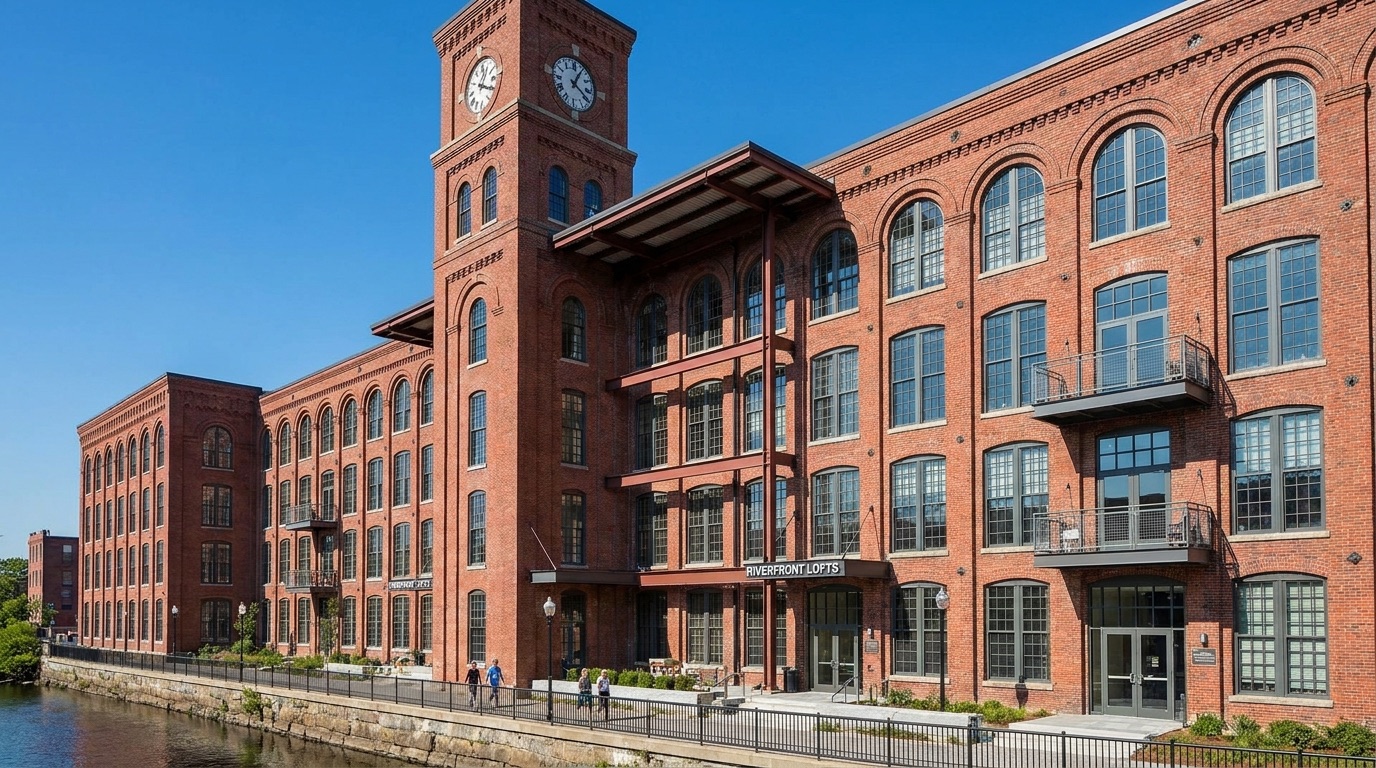
Buying a multi-family in the Providence metro means purchasing a 2 to 4 unit building, financing it like a home rather than a commercial deal, and letting tenant rent carry most or all of the mortgage while you build equity. For most first-time investors in Rhode Island, the move is a triple-decker in a working neighborhood, bought with an owner-occupant loan, with you living in one unit and renting the rest. That single structure is the on-ramp to real estate investing in this state, and this guide walks the whole path.
I sell and invest in this market, so I am going to be honest about the parts that are genuinely good here and the parts that are genuinely hard. Rhode Island has cheap entry compared to Boston, a deep supply of small multi-families, and rents that have climbed fast. It also has some of the highest property taxes in the country and a tenant-friendly legal climate. Both things are true at once. Let me lay it out.
### Why is a Providence triple-decker a classic first investment?
Because it lets you buy an income property with a homeowner's loan. The triple-decker, three stacked units in one building, was built by the thousands across Providence, Pawtucket, Central Falls, and Woonsocket to house mill workers a century ago. That housing stock is still standing, still rentable, and still priced within reach of a normal buyer.
The appeal is structural:
* Owner-occupant financing. A 2 to 4 unit building you live in qualifies for residential mortgages with low down payments, not the 25 percent down and shorter terms of commercial loans. * Rent that offsets your housing cost. Two rented units in a three-family can cover a large share of the mortgage, and sometimes all of it. This is house hacking, and I wrote a full breakdown in house hacking a multi-family. * Forced density in a small footprint. You get three income streams on one tax bill, one roof, and one parcel to maintain. * A real exit. These buildings sell readily to the next owner-occupant or investor, so your liquidity is decent.
If you are weighing exactly where to plant your flag, I compared the two most common starting points in Pawtucket vs Providence for your first 3-family. The short version is that Providence gives you appreciation and demand, Pawtucket gives you a lower entry and often a better day-one cap rate.
### How do you finance a 2 to 4 unit property?
The single biggest fork is whether you will live in the building or not. Owner-occupants get dramatically better terms than investors, and the rules reward you for moving in.
Owner-occupant loans (you live in one unit):
* FHA. As little as 3.5 percent down (estimate) on a 2 to 4 unit, as long as you occupy one unit. FHA even lets you count a portion of the projected rent from the other units toward your qualifying income, which is huge on a triple-decker. * Conventional owner-occupied. Typically 5 percent down (estimate) on a two-family and around 5 to 15 percent on 3 to 4 units, with better rates and no mortgage insurance once you cross roughly 20 percent equity. * VA. If you qualify, zero down (estimate) on up to a 4 unit you occupy. The best owner-occupant deal in the country if you are eligible.
Investor loans (you do not live there):
* Conventional investment. Plan on 20 to 25 percent down (estimate), a higher rate, and reserves in the bank. * DSCR and portfolio loans. These qualify off the property's rent rather than your W-2, useful once you own several buildings.
The lesson is simple. Your first multi-family should almost always be owner-occupied, because the financing is so much cheaper. You are allowed to move out later. One popular longer-game version of this is the BRRRR strategy (buy, rehab, rent, refinance, repeat), and I ran the numbers for our specific tax environment in the BRRRR math in a high-tax state.
Here is how the unit count changes the picture:
| Building type | Typical owner-occ down payment | Financing character | Management load |
|---|---|---|---|
| 2-family | 3.5 to 5 percent (estimate) | Easiest to qualify, smallest rent offset | Lightest, one tenant |
| 3-family | 3.5 to 15 percent (estimate) | Best balance of offset and simplicity | Moderate, two tenants |
| 4-family | 5 to 15 percent (estimate) | Max residential rent offset, still residential loan | Heaviest, four households on one parcel |
Note the ceiling. At 5 units the property becomes commercial, which means commercial financing, bigger down payments, and a different appraisal method. The 4 unit is the top of the residential-loan ladder, and that is exactly why 2 to 4 is the sweet spot.
### What do you actually analyze before buying?
You analyze whether the rent covers the costs with room to spare, then you pressure-test that number. Do not buy on the listing's rosy pro forma. Build your own.
Work through these:
* Real rents, not hoped-for rents. Find what comparable units in that neighborhood actually command today. I keep a current read on this in what Providence triple-deckers actually rent for. If a seller claims below-market rents with easy upside, verify the upside is real and legal to capture. * Operating expenses. Property taxes, insurance, water and sewer (often landlord-paid here, and it matters), heat if the units are not separately metered, trash, snow, common electric, maintenance, and a vacancy allowance. A rough rule is that expenses run 35 to 50 percent (estimate) of gross rent before the mortgage, and older Rhode Island buildings lean toward the high end. * Cap rate. Net operating income divided by price. It tells you the unleveraged yield and lets you compare buildings fairly. In this metro, honest cap rates on small multis have often landed in the mid single digits (estimate) after the tax bite, so watch anyone quoting you double digits. * Cash flow. What is left each month after the mortgage, taxes, insurance, and a real reserve. On an owner-occupied deal, near breakeven while you live free is a win. On a pure investment, you want positive cash flow after everything. * Capital condition. Roof age, heating systems, knob-and-tube wiring, and lead. Many of these buildings predate 1978, so lead compliance is not optional. Budget for it.
Two of my sold case studies make good reference points for the shape of these deals. On the two-family side, look at 94-96 Garfield Ave in Providence. On the three-family side, see 1108 Newport Ave in Pawtucket. Study the structure of each, not just the address.
Before you fall in love with any building, run your own household numbers through the affordability calculator so you know the payment you can actually carry if a unit sits empty for two months.
### How bad is the Rhode Island property tax reality?
It is real, it is a permanent line item, and you must underwrite it correctly or the deal lies to you. Rhode Island carries some of the highest effective property tax rates in the nation, and rates vary meaningfully city to city. Providence, Pawtucket, Central Falls, and Woonsocket each set their own rate, and many of them tax non-owner-occupied property at a higher rate than owner-occupied.
Two things to do every time:
* Use the correct rate for your situation. If you will live in the building, you may qualify for the owner-occupied rate. If you move out later, the bill can jump to the non-owner-occupied rate. Underwrite the future rate, not just today's. * Do not trust the seller's tax line. A sale can trigger reassessment. Pull the city's current rate and the assessed value, and calculate it yourself.
The tax load is the single biggest reason a Providence-area cap rate looks thinner than the same rent would produce in a low-tax state. It is not a reason to avoid the market. It is a reason to buy it with clear eyes. When people ask why I still like these deals, it is because the entry price and rent growth have more than compensated. But you have to price the tax honestly going in.
### What are the landlord-tenant basics I need to know?
Rhode Island has a codified landlord-tenant act, and the process favors doing everything by the book. If you skip steps, you lose time and money in court. Get comfortable with the framework before you close, not after your first problem tenant.
The essentials:
* Security deposits are capped and regulated. There is a limit on how much you can hold and rules on returning it, with penalties for getting it wrong. * Notice and eviction follow strict procedure. Nonpayment, lease violations, and no-cause terminations each have their own required notices and waiting periods. The timeline is measured in weeks to months, so vacancy risk is real. * Habitability is your obligation. Heat, water, working systems, and a safe structure are on you, and a tenant has remedies if you fail. * Lead is a legal exposure, not a suggestion. Pre-1978 buildings carry lead disclosure and, for rentals, mitigation requirements. This is one of the most common ways small landlords get burned here.
I go deep on all of this, with the specific notice periods and deposit rules, in Rhode Island landlord-tenant law for investors. Read it before you sign your first lease.
### How do I actually start?
You start by getting your financing lined up, then you underwrite real buildings until one clears your numbers. Here is the order I recommend:
* Get pre-approved for an owner-occupant multi-family loan. Tell the lender specifically that you want a 2 to 4 unit you will occupy, and ask them to include projected rent in your qualification. * Pick your lane. Decide between the appreciation-and-demand play in Providence and the lower-entry, better-yield play in Pawtucket. My Pawtucket vs Providence comparison is built for exactly this decision. * Set your buy box. Unit count, target neighborhoods, max price, and a minimum cash-flow or breakeven threshold after the correct tax rate. * Underwrite everything, buy one. Run each candidate through your own expense model and the affordability calculator. Most will fail. That is normal. You need one that passes. * Inspect like you mean it. Systems, roof, and lead, with real quotes for anything questionable.
The first deal is the hardest because you are learning the whole machine at once. After that, the pattern repeats.
### Frequently Asked Questions
#### How much do I need to buy a multi-family in the Providence metro?
Less than most people assume, if you occupy it. With an owner-occupant FHA loan you might put down around 3.5 percent (estimate) of the purchase price plus closing costs, and you should hold several months of reserves on top. An investor who will not live there should plan on 20 to 25 percent down (estimate). Run your specific numbers through the affordability calculator before you shop.
#### Is a two-family or a three-family better for a first deal?
A three-family usually offsets more of your housing cost because you rent two units instead of one, and it still qualifies for a residential owner-occupant loan. A two-family is simpler to manage and easier to qualify for. If your priority is living nearly free, the triple-decker wins. If your priority is simplicity, the two-family does.
#### Can rent from the other units help me qualify for the loan?
Yes, on an owner-occupied 2 to 4 unit, most loan programs let you count a portion of the projected market rent from the units you will not occupy toward your qualifying income. That is a major reason multi-families are easier to buy than their price suggests. Ask your lender to include it up front.
#### Do Rhode Island's high property taxes kill these deals?
No, but they thin the margins, and you have to underwrite them correctly. The tax bill is a permanent cost that lowers your effective cap rate compared to a low-tax state, and non-owner-occupied rates can run higher than owner-occupied ones. Deals still work here because entry prices and rent growth have compensated. Just price the correct rate into every analysis, as I cover in the BRRRR math in a high-tax state.
#### What is the biggest mistake first-time multi-family buyers make here?
Trusting the seller's numbers. They lean on optimistic rents, understated expenses, and the old tax bill from before reassessment. Build your own pro forma using real triple-decker rents, a full expense load, and the correct post-sale tax rate. The second biggest mistake is ignoring lead and landlord-tenant law until it costs them.
Ready to run the numbers on a real building? I underwrite Providence-area multi-families with investors every week, and I would rather tell you a deal is bad before you buy it than after. Reach out, and start by sizing your budget with the affordability calculator.

Written by
David Peterson
David is a real estate agent with Fathom Realty, dual-licensed in Rhode Island (RES.0047177) and Massachusetts (9577507-RE-S). He serves the Providence metro, the East Bay and coastal Rhode Island, and Southeastern Massachusetts, and brings a digital marketing agency background to every listing.
Need a strategy tailored for your family?
As a dual-licensed professional working on both sides of the line, I'll build custom financial models, tax maps, and school evaluations specifically for your objectives.