CRMC and the Coastal Buyer: Permits, Setbacks, and What You Cannot Change
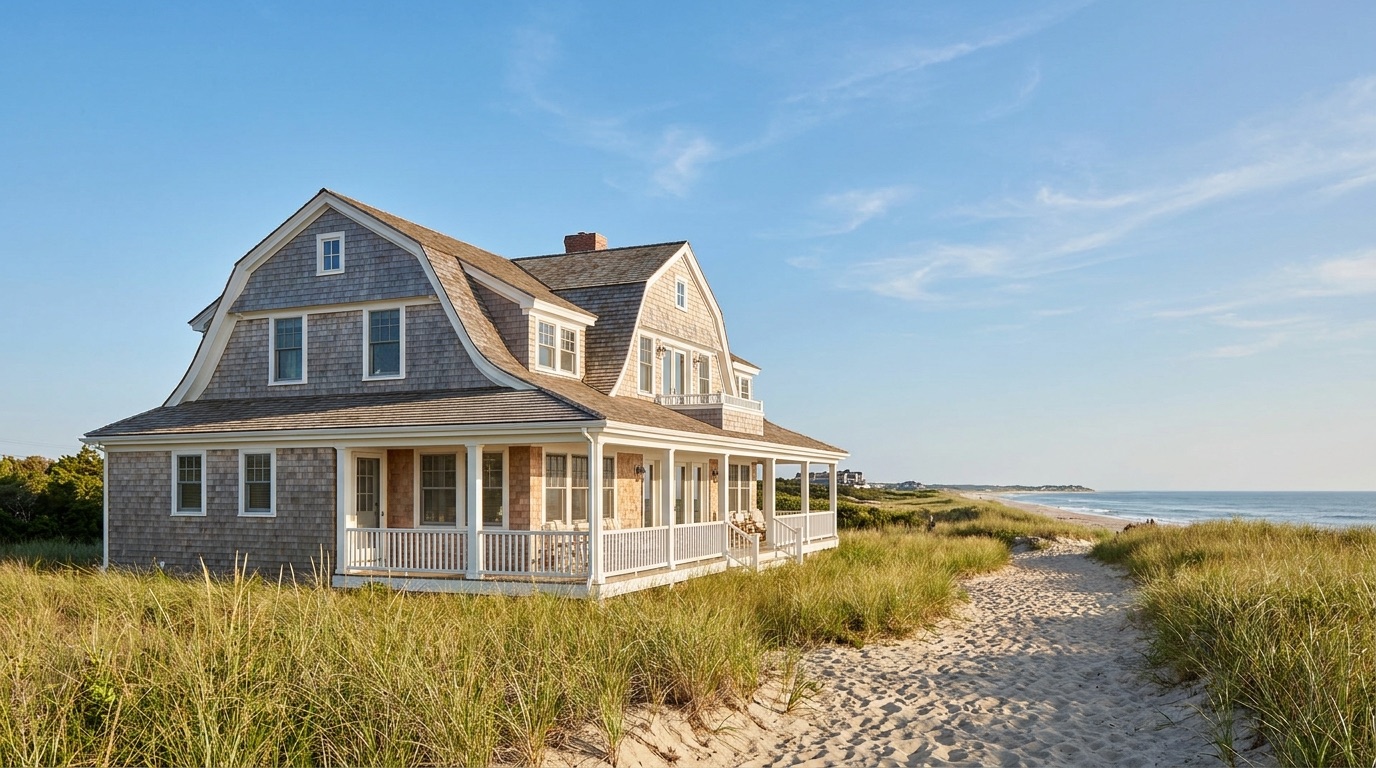
The Coastal Resources Management Council, or CRMC, is the Rhode Island state agency that regulates development along the shoreline, and if you are buying coastal property here, you need to understand it before you sign, not after. CRMC holds permitting authority over a wide band of land near the water, which means the dock you pictured, the addition you sketched, and the septic system you assumed you could replace may all require state approval that is not guaranteed.
I work with buyers up and down the RI and MA coast, and the single most expensive mistake I see is treating a waterfront lot like any other lot. It is not. The land closest to the water is the most regulated dirt in the state, and the rules are not local zoning quirks you can variance your way around. They are a state coastal program with its own maps, its own setbacks, and its own answer of no.
### What is CRMC and what does it actually control?
CRMC exists to preserve, protect, develop, and where possible restore Rhode Island's coastal areas. It does that through coastal management plans and through permitting the work that happens inside the coastal zone.
Its jurisdiction is broad. CRMC regulates all tidal waters of the state out to three nautical miles offshore, all coastal features, and the 200-foot band of land contiguous to those features. Coastal features include beaches, barriers, dunes, coastal wetlands, and rocky shorelines. If your project sits within 200 feet of any of those, you are almost certainly in CRMC territory and you will need what the agency calls an Assent before you build.
That 200-foot number is the one to memorize. It is not measured from the water. It is measured from the nearest regulated coastal feature, and some activities push the boundary further. Installing a new septic system near the shoreline can extend the regulated distance to roughly 225 feet inland. So even a house that looks comfortably back from the beach can still be fully inside CRMC's reach.
### Which coastal projects need CRMC assent?
Here is the practical version. Most of the work a coastal homeowner actually wants to do falls inside CRMC's jurisdiction once you are near a coastal feature. This table is a general guide, not a ruling on your specific parcel.
| Common coastal project | Is CRMC assent typically needed? |
|---|---|
| Building or replacing a private dock | Yes, and new docks are prohibited in some areas under the Narrow River and Salt Pond management plans |
| Home addition over 600 square feet, or a second-story addition | Yes, typically a Category B assent |
| New, replacement, or modified septic system (OWTS) in jurisdiction | Yes, CRMC must review and issue the permit |
| Shoreline work such as walls, armoring, or grading | Yes, and often heavily restricted |
| Clearing, mowing, or altering the vegetated buffer zone | Yes |
CRMC sorts residential applications into categories. Smaller modifications and many additions run as Category A or the streamlined variants. Larger or more sensitive work, such as expansions greater than 600 square feet, second-story additions greater than 600 square feet, or any modification inside the CRMC minimum setback, is typically a Category B assent, which is a heavier review. A brand-new home in a high-priority coastal area, near a barrier beach, coastal wetland, or flood zone, can take six to eighteen months and may require a public hearing before the full council. Build that timeline into your plans before you assume you can close and break ground the same season.
### How do setbacks work near the shore?
Setbacks are where a lot of coastal dreams get trimmed. CRMC generally requires a minimum setback of 50 feet from a coastal feature, or 25 feet from a coastal buffer zone, whichever is furthest inland. That already tells you the buildable footprint on a small waterfront lot can be far smaller than the lot lines suggest.
In areas of erosion the math changes and gets stricter. Instead of a flat number, setbacks are tied to the historical erosion rate shown on CRMC's Shoreline Change Maps. For three or fewer houses, the setback may be no less than 30 times the average annual erosion rate. For four or more houses, or commercial and industrial structures, it may be no less than 60 times that rate. On an actively eroding shoreline, that can move a buildable line dozens of feet inland from where you expected it.
### What is a coastal buffer zone, and why does it limit you?
A coastal buffer zone, or CBZ, is the strip of land next to the shoreline that CRMC wants kept vegetated with native species. It functions as a natural transition between the coast and the developed upland, and it absorbs the disturbance that development otherwise dumps straight into the water and the habitat.
Required buffers generally range from 15 to 200 feet depending on factors like lot size. Inside that zone your ability to clear, mow, landscape, or build is limited by design. Buyers who picture a manicured lawn rolling down to the water are often surprised to learn the agency expects native shrubs and grasses instead. The buffer is not a suggestion you negotiate at closing. It is a standing condition on the land.
### Why can some things simply not be changed?
This is the honest part I make sure every coastal buyer hears. Some limitations are not a matter of a longer application or a bigger budget. They are the answer.
New docks are outright prohibited in certain waters under the Narrow River and Salt Pond Special Area Management Plans. If dock rights are the reason you want the property, and the property sits in one of those areas, no amount of persistence changes it. Setbacks tied to erosion rates are not waivable in the way a local zoning setback sometimes is. A lot that is mostly coastal feature and buffer may have almost no compliant building envelope left, and the state is under no obligation to invent one for you. The water is not going to move for your renovation, and neither is CRMC.
### How do I do due diligence before I buy?
Treat CRMC review as a contingency, the same way you treat the inspection and the financing. Do not assume the current structure, the current septic, or the current dock is fully permitted just because it exists. Ask for the CRMC assent history on the property. Ask whether the septic is a permitted OWTS in CRMC's records or a system that will trigger a full review the moment it fails.
Then confirm the specifics with CRMC directly. Every parcel is different, the coastal feature line is site-specific, and the maps that govern your setback are not something you eyeball from the road. Start at the source: the Rhode Island Coastal Resources Management Council. What you learn there should shape your offer, your timeline, and sometimes your decision to walk.
If you want the wider picture, I walk through the rest of the process in my guide to buying a waterfront coastal home in RI, and the closely related cost story in insuring a coastal RI home. If your search is centered on the classic coastal market, browse Newport homes.
### Frequently Asked Questions
#### Do I need a CRMC permit to buy coastal property?
No, buying itself does not require a CRMC permit. But any work within 200 feet of a coastal feature, and some work a bit further inland, requires a CRMC assent before you do it. You should verify what is and is not permitted on the property before you close, because those limits transfer with the land.
#### Does CRMC jurisdiction apply even if my house is set back from the water?
Often yes. The 200-foot band is measured from the nearest coastal feature, not from the waterline, and septic work can extend the regulated distance to around 225 feet. Many homes that feel comfortably inland are still fully inside CRMC's authority.
#### Can I always build a dock on waterfront property?
No. New individual and community docks are prohibited in certain areas under the Narrow River and Salt Pond Special Area Management Plans. If a dock is essential to you, confirm that dock rights are actually attainable on that specific parcel before you buy.
#### How long does CRMC approval take?
It depends on the category. Smaller modifications can move relatively quickly, while a new home in a high-priority coastal area can take six to eighteen months and may require a public hearing before the full council. Do not assume you can close and build in the same season.
#### Can I replace my coastal septic system freely?
No. Installation, repair, modification, or replacement of an onsite wastewater treatment system inside CRMC jurisdiction must be reviewed and permitted by CRMC. A system that works today can still trigger a full coastal review the day it fails, so confirm its permitted status during due diligence.
Coastal property in Rhode Island rewards the buyer who does the homework and punishes the one who assumes. If you are weighing a shoreline purchase and want a clear read on what the land will and will not let you do, reach out and let's pressure-test it together before you commit. Start with my guide to buying a waterfront coastal home in RI.
This article is general guidance, not legal advice. Confirm the rules for any specific property directly with CRMC.

Written by
David Peterson
David is a real estate agent with Fathom Realty, dual-licensed in Rhode Island (RES.0047177) and Massachusetts (9577507-RE-S). He serves the Providence metro, the East Bay and coastal Rhode Island, and Southeastern Massachusetts, and brings a digital marketing agency background to every listing.
Need a strategy tailored for your family?
As a dual-licensed professional working on both sides of the line, I'll build custom financial models, tax maps, and school evaluations specifically for your objectives.