Insuring a Coastal Rhode Island Home: Flood and Wind, the Full Picture
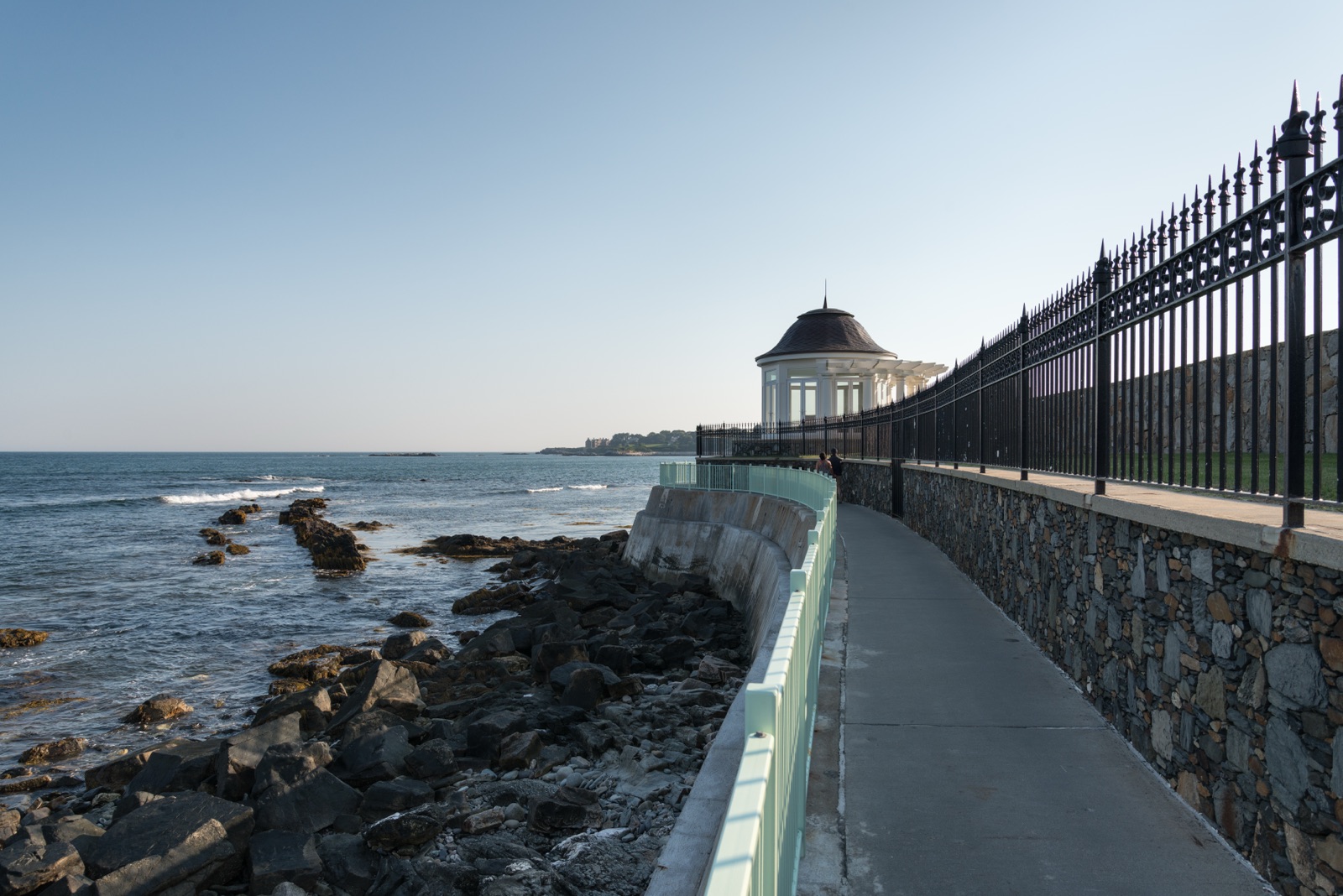
Insuring a coastal Rhode Island home is different, and more expensive, than insuring an inland one because the two perils that actually threaten a house near the water, flood and wind, are largely carved out of the standard homeowners policy. A homeowners policy alone leaves you exposed. You cover the rest with a separate flood policy and a windstorm or hurricane deductible baked into the homeowners contract, and both of those cost real money that you should price before you sign a purchase and sale agreement, not after.
I sell in Rhode Island and Massachusetts, and the single most common surprise I watch buyers absorb is the total carrying cost of insurance on a place within a few miles of the shoreline. The listing looks affordable. Then the quotes come in. This piece lays out the full picture so you walk in with your eyes open.
### Why does a standard homeowners policy not cover flooding?
Because it never has. A standard homeowners policy excludes damage from flooding, defined as rising surface water, storm surge, and the like. That exclusion is industry-wide, not a Rhode Island quirk. If you want flood protection, you buy it separately, either through the federal National Flood Insurance Program (NFIP), administered by FEMA, or from a growing number of private flood insurers whose coverage must be at least as broad as the NFIP's.
Here is the part that trips people up. Your homeowners policy will pay for wind-driven rain that comes through a roof the storm just tore open. It will not pay for the water that rises up through your first floor from the bay. Same storm, two different policies, and the line between them is where a lot of coastal claims get fought.
If you are financing a home in a designated high-risk flood zone with a federally backed mortgage, flood insurance is not optional. Your lender will require it and enforce it. That requirement, not FEMA, is what makes flood coverage mandatory for most coastal buyers.
### What does each type of coverage actually do?
Here is the framework in one view. Treat the figures as approximate and current-market; your actual numbers depend on the specific property.
| Coverage | What it covers | What it excludes / notes |
|---|---|---|
| Homeowners (HO-3) | Fire, theft, liability, wind-driven rain through a breached roof or wall | Excludes flood entirely; wind on the coast is often subject to a separate percentage deductible |
| Flood (NFIP or private) | Rising water, storm surge, coastal flooding; building and contents on separate limits | Separate policy; NFIP building limit caps at 250,000 dollars, contents at 100,000 dollars; excess needs private coverage |
| Wind / hurricane deductible | Not a policy, but a percentage deductible inside the homeowners policy for named-storm or windstorm damage | In RI, hurricane deductibles are mandatory and capped at 5 percent of insured value; common tiers are 1, 2, and 5 percent |
| RI FAIR Plan (RIJRA) | Basic property coverage when no standard insurer will write you | Last resort only; more limited and more expensive; you must be denied by the private market first |
### How do flood zones and elevation certificates change the cost?
FEMA maps the coast into flood zones, and the zone your house sits in is the biggest single driver of your flood premium. In plain terms:
Zone X is lower-risk, outside the mapped 100-year floodplain. Coverage is cheaper and often not lender-required. Zone AE is high-risk inside the 100-year floodplain with a published Base Flood Elevation (BFE), the height floodwater is expected to reach. Zone VE is the coastal high-hazard zone, the one exposed to wave action and storm surge, and it carries the highest premiums of the three by a wide margin.
The lever you can actually pull is elevation. Under FEMA's Risk Rating 2.0 pricing, how high your lowest floor sits relative to the base flood elevation materially moves the premium. An elevation certificate, prepared by a licensed surveyor, documents that height. Where it applies, industry sources put the savings at roughly 15 to 30 percent per foot of elevation above the BFE, which on a coastal home can be the difference between a manageable premium and a punishing one. An elevation certificate typically runs a few hundred dollars, approximately, and on the right property it pays for itself many times over.
When you tour a waterfront property, ask two questions early: what flood zone is it in, and is there an elevation certificate on file. If the house was built or substantially improved to modern elevation standards, that is a real financial asset, not just a construction detail. I cover the property-hunting side of this in my guide to buying a waterfront coastal home in RI.
### What is a hurricane deductible and why is it separate?
On the coast, your homeowners policy usually carries a separate deductible for wind, and it works differently from your normal flat dollar deductible. A windstorm deductible applies to wind damage that is not from a hurricane. A hurricane or named-storm deductible kicks in only when a storm has been officially named by the National Hurricane Center.
Two things make these deductibles bite. First, they are calculated as a percentage of your home's insured value, not a flat amount. On a 600,000 dollar dwelling, a 2 percent hurricane deductible is 12,000 dollars out of pocket before the insurer pays a cent. Second, in Rhode Island these deductibles are common and, for hurricanes, regulated. State rules cap the hurricane deductible at 5 percent of insured value, and the exact tier varies by coastal territory and building-code wind zone.
The upside: mitigation counts. Roof tie-downs, impact-rated openings, and construction that meets coastal wind code can reduce or in some cases eliminate the separate hurricane deductible and earn premium relief. If you are weighing two similar homes, the one built to a stronger wind standard can be cheaper to carry for the life of your ownership.
### What if no standard insurer will write the house?
It happens on the coast, and more often lately. If you are turned down by the regular market, Rhode Island has an insurer of last resort: the FAIR Plan, run by the Rhode Island Joint Reinsurance Association (RIJRA). You qualify by being denied coverage by private insurers, and the plan provides basic, catastrophe-oriented coverage that is generally more limited and more expensive than a standard policy.
The FAIR Plan is a backstop, not a bargain. Its enrollment near the Rhode Island coast has grown as private carriers pull back, which tells you something about where the market is. If a property can only be insured through the FAIR Plan, treat that as a signal about long-term cost and resale, and factor it into your offer. This is also part of why I tell second-home buyers in Rhode Island to confirm insurability before they fall in love with a place.
### How should I budget for this before I buy?
Get real quotes during your due-diligence window, not estimates off a website. Order a homeowners quote, an NFIP or private flood quote, and confirm the wind and hurricane deductible structure in writing. Add those three together and carry the total in your monthly math alongside the mortgage and taxes. On a modest coastal home the combined insurance cost can rival or exceed the property tax bill, and it tends to rise faster.
You can start your flood-risk homework yourself at FEMA's official consumer site, FloodSmart.gov, which explains the NFIP and lets you understand the program before an agent quotes you. Pair that with a local independent insurance agent who writes coastal Rhode Island risk daily. The right agent knows which carriers still write near the water and how to structure deductibles you can actually afford to meet.
None of this is a reason to avoid the coast. It is a reason to price it honestly. The regulatory backdrop, from CRMC jurisdiction to flood mapping, shapes what you can build and what you will pay to protect it, and I walk through the permitting side in my note on CRMC and the coastal buyer.
### Frequently Asked Questions
#### Do I legally have to buy flood insurance in Rhode Island?
Not by state law, but effectively yes if you finance a home in a high-risk flood zone. Lenders require flood coverage on federally backed mortgages in FEMA Special Flood Hazard Areas, and they enforce it for the life of the loan. Even outside those zones, coastal flooding does not respect map lines, so many owners carry it by choice.
#### Will my homeowners policy pay for any water damage from a storm?
Some, but narrowly. It generally covers water that enters because wind first breached the structure, such as rain through a roof the storm tore open. It does not cover rising water, storm surge, or coastal flooding, which fall under a separate flood policy. The distinction is where coastal claims most often get disputed.
#### How much is flood insurance on a coastal Rhode Island home?
It varies widely by zone and elevation, so treat any single number as approximate. Higher-risk AE and VE zones cost substantially more than lower-risk X zones, and a favorable elevation certificate can cut the premium meaningfully. The only reliable figure is a real quote on the specific address during your inspection period.
#### What is a hurricane deductible in practical terms?
It is a percentage of your home's insured value, not a flat dollar amount, that you pay before the insurer contributes on named-storm damage. Rhode Island caps the hurricane deductible at 5 percent of insured value, with common tiers of 1, 2, and 5 percent. On a mid-priced coastal home that can mean five figures out of pocket, so confirm the exact percentage before closing.
#### Is the RI FAIR Plan a good option?
It is a safety net, not a first choice. The FAIR Plan exists for owners the private market has declined, and its coverage is more limited and more expensive than a standard policy. If a home can only be insured through it, read that as a warning about long-term cost and resale, and adjust your offer accordingly.
If you are looking at anything near the Rhode Island or Massachusetts shoreline and want the carrying cost mapped out before you commit, reach out. I will help you get real insurance quotes early and read what they mean for the deal. Start with my guide to buying a waterfront coastal home in RI. This article is general guidance, not insurance advice; confirm specifics with a licensed Rhode Island insurance agent.

Written by
David Peterson
David is a real estate agent with Fathom Realty, dual-licensed in Rhode Island (RES.0047177) and Massachusetts (9577507-RE-S). He serves the Providence metro, the East Bay and coastal Rhode Island, and Southeastern Massachusetts, and brings a digital marketing agency background to every listing.
Need a strategy tailored for your family?
As a dual-licensed professional working on both sides of the line, I'll build custom financial models, tax maps, and school evaluations specifically for your objectives.