Fall River vs Providence: The Value Play
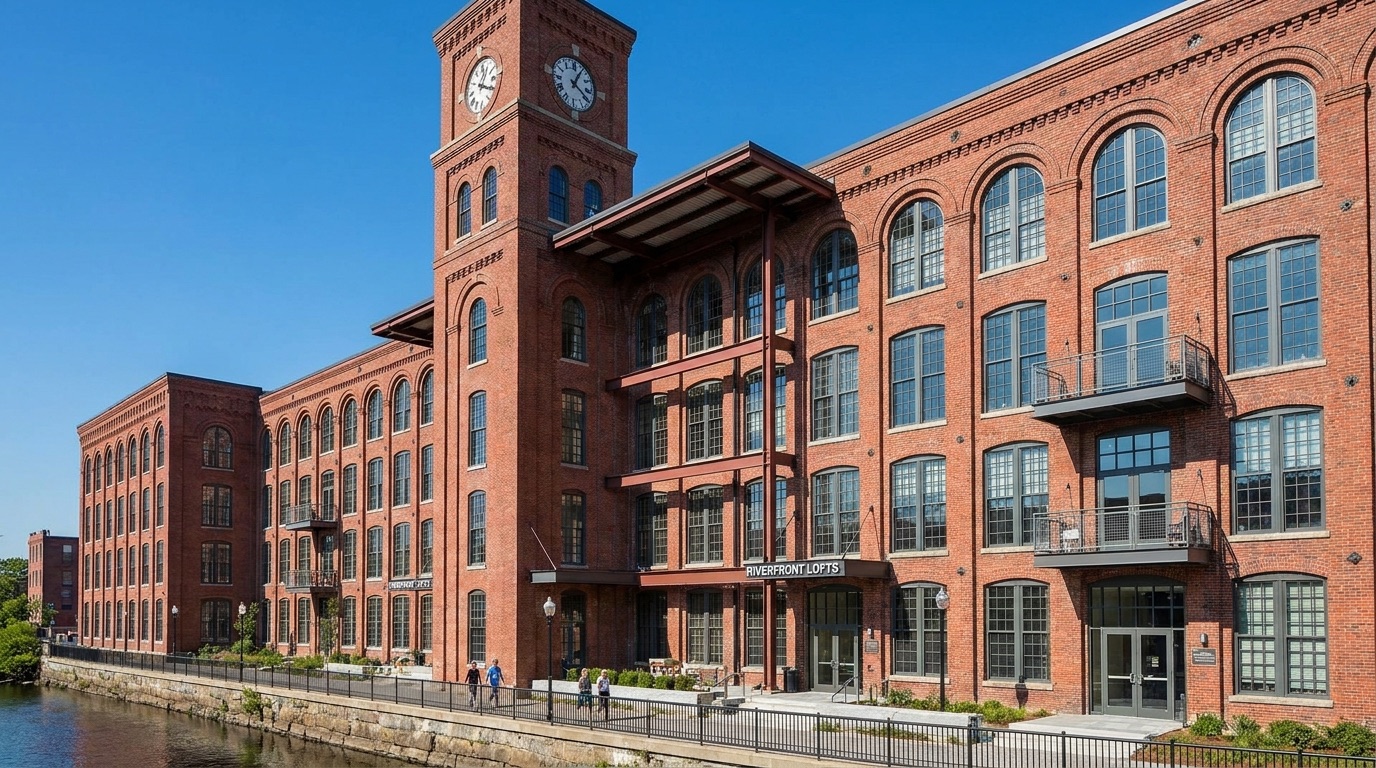
If you want the cheapest entry point and a new one-seat rail ride to Boston, Fall River, Massachusetts is the value play. If you want a bigger job base, more tenants, and stronger long-run appreciation, Providence, Rhode Island earns the premium you pay for it.
I sell in both states, so I have no reason to talk you into one side of the line. Both are dense small cities packed with triple-deckers and multi-family stock, which makes them two of the best house-hacking markets in southern New England. The right answer depends on whether you are optimizing for lowest cost, best cash flow, or the strongest resale a decade out.
### Which city is actually more affordable?
Fall River is one of the most affordable cities in the region, full stop. Single-family medians sit meaningfully below Providence, and more importantly for investors, the multi-family entry point is lower. You can still find two-family and three-family buildings in Fall River under what a comparable building costs across the bay in Providence.
Providence is more expensive because it is the state capital and the economic anchor of Rhode Island. You are paying for a deeper rental pool, more amenities, and a larger buyer base when you eventually sell. It is still a genuine value compared to Boston, where the same triple-decker would cost two to three times more.
Here is the head-to-head, with numbers approximate and rounded (as of 2026):
| Metric | Fall River, MA | Providence, RI |
|---|---|---|
| Median single-family price | ~$430,000 | ~$500,000 |
| Multi-family entry price | ~$525,000 | ~$625,000 |
| Effective property tax rate | ~1.2% | ~1.4% |
| Drive time to Boston | ~55 min | ~60 min |
| MBTA commuter rail | South Coast Rail (new) | Providence Line (established) |
Treat every figure as a directional starting point, not a quote. Medians move month to month, and the building in front of you is what matters.
### What does the commute really look like?
This is where Fall River changed. The MBTA South Coast Rail extension brought commuter rail service to the South Coast, giving Fall River and New Bedford a one-seat ride toward Boston for the first time in a generation. For a city that was priced as a car-only outer market, that is a structural shift. Rail access tends to pull values up over time, and Fall River is early in that repricing.
Providence has had the Providence Line for decades. It is a mature, frequent, well-understood commuter route into Boston, and the market has already priced that access in. You are not betting on a catalyst here. You are buying a known quantity.
So the commute question is really a timing question. Providence gives you proven rail today. Fall River gives you newer rail and the possibility that the market has not fully caught up to it yet.
### Which one cash flows better for house-hacking?
Fall River usually wins on raw yield. Lower purchase prices against solid working-class rents mean the rent-to-price ratio tends to be more favorable, which is exactly what you want when you are living in one unit and renting the others. If you are running the numbers on house hacking with a multi-family, a cheaper building that still commands real rent is the whole game.
Providence offers something different: tenant depth. Between the hospitals, the universities, and a broader employment base, you have more renter demand and more rent-tier options. Vacancy risk is lower and you have more flexibility on who you rent to. You give up some yield for that stability.
A few things to weigh on the investor side:
- Rents: Providence generally commands higher rents per unit, but the higher purchase price often eats that edge on a percentage basis. - Tenant pool: Providence is deeper and more diverse thanks to its institutions. Fall River is steadier blue-collar demand. - Turnover: Student-heavy pockets of Providence turn over on an academic calendar. Plan for it.
### How do Massachusetts and Rhode Island rules differ?
This is the part people forget until it costs them. You are not just comparing two cities, you are comparing two states with two different rulebooks.
Massachusetts and Fall River carry Massachusetts landlord-tenant law, Massachusetts closing costs, and the Massachusetts tax structure. Rhode Island and Providence run on Rhode Island rules, including its own property tax treatment and, notably, different owner-occupant versus non-owner-occupant tax classifications in many municipalities that can materially change your bill.
The practical takeaway: your effective property tax rate, your insurance, and your legal obligations as a landlord will differ across that state line even for two nearly identical buildings. Run the actual local rate and the actual owner-occupancy rules before you fall in love with a listing. I do this for clients on both sides because I hold licenses in both states, and the state line is one of the most underrated variables in the whole decision.
### Which city appreciates more over the next decade?
Honestly, it is a real debate and I will not pretend to have a crystal ball. Providence has the stronger fundamentals: a diversified economy, anchor institutions that do not leave, and an established rail line. That combination usually supports steadier, more durable appreciation.
Fall River is the higher-variance bet. It is cheaper today, and the new South Coast Rail service is exactly the kind of catalyst that can re-rate a market upward if commuters follow it. More upside if the thesis plays out, more uncertainty if it stalls. That is the tradeoff you are actually choosing between.
### So which one should you buy?
Buy Fall River if your priorities are lowest entry price, best cash-on-cash yield, and exposure to a rail catalyst that is still early. Explore Fall River, MA homes if that is your profile.
Buy Providence if you want tenant depth, a larger resale market, and the steadiness that comes with the state capital. Start with Providence, RI homes.
For a lot of investors, the honest answer is to look at both and let the specific building decide. A great triple-decker in either city beats a mediocre one in your favorite.
### Frequently Asked Questions
#### Is Fall River or Providence cheaper to buy in?
Fall River is cheaper on both single-family and multi-family entry prices (as of 2026). It is one of the most affordable cities in the region, while Providence carries a premium for being the state capital with a deeper job base.
#### Which city has better commuter rail to Boston?
Providence has the established MBTA Providence Line with decades of frequent service. Fall River now has the newer South Coast Rail extension, which brought a one-seat ride toward Boston for the first time in a generation. Providence is proven, Fall River is the newer catalyst.
#### Which is better for house-hacking a multi-family?
Fall River generally offers better raw rental yield because purchase prices are lower against solid rents. Providence offers deeper, more stable tenant demand from its hospitals and universities. Choose yield versus stability based on your risk tolerance.
#### Do Massachusetts and Rhode Island rules really change the math?
Yes. Property tax rates, owner-occupant classifications, closing costs, and landlord-tenant law all differ across the state line, even for nearly identical buildings. Always run the actual local rate and occupancy rules before comparing two listings across states.
Want a side-by-side analysis on two specific buildings, one in each city? I am licensed in both Rhode Island and Massachusetts and I can run the real numbers with you. Start by browsing Providence, RI homes and reach out.

Written by
David Peterson
David is a real estate agent with Fathom Realty, dual-licensed in Rhode Island (RES.0047177) and Massachusetts (9577507-RE-S). He serves the Providence metro, the East Bay and coastal Rhode Island, and Southeastern Massachusetts, and brings a digital marketing agency background to every listing.
Need a strategy tailored for your family?
As a dual-licensed professional working on both sides of the line, I'll build custom financial models, tax maps, and school evaluations specifically for your objectives.
Calculate Your Home's True Comparative Value