Selling a Multi-Family in Providence or Pawtucket: Tenants, Leases, and Timing
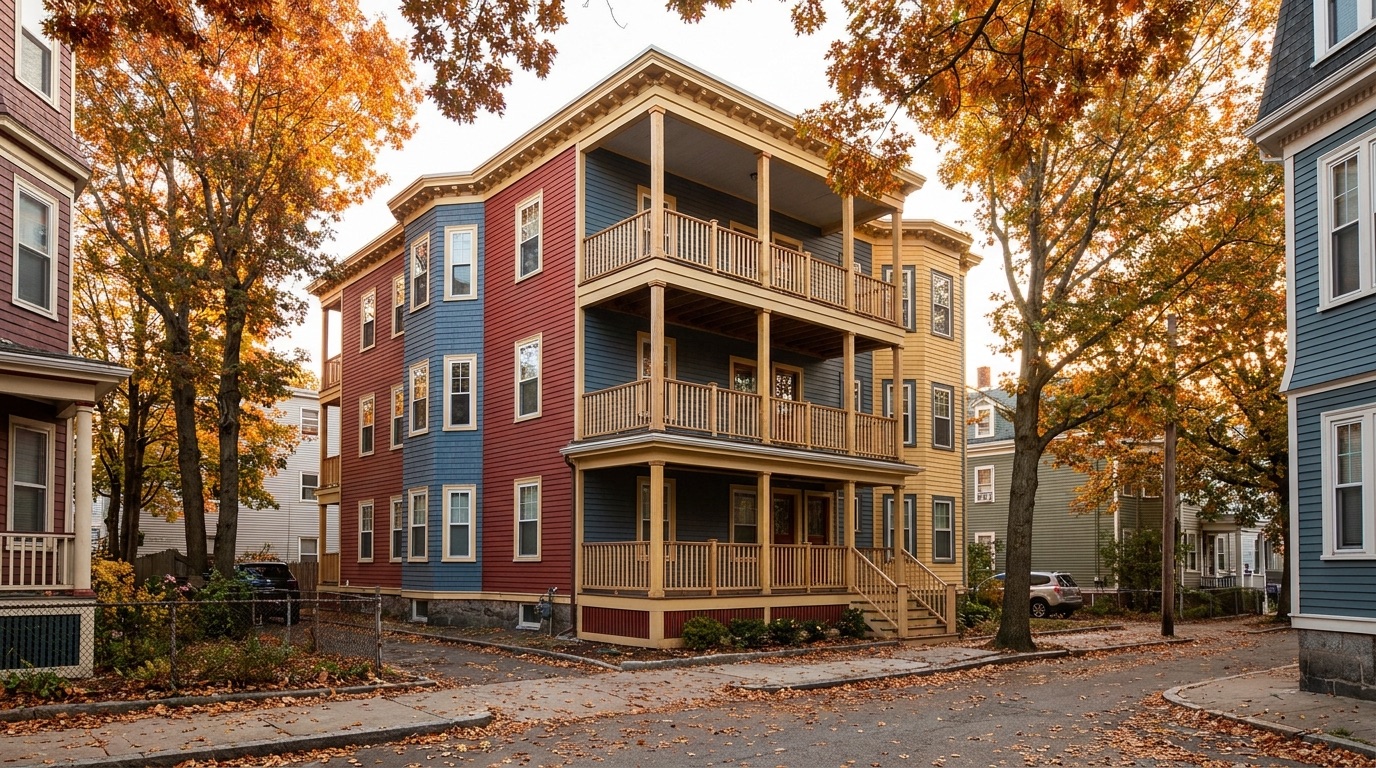
To sell a tenant-occupied multi-family in Providence or Pawtucket, you sell to one of two buyer pools and you build the paperwork to match: owner-occupant house-hackers who usually want at least one unit vacant at closing, and investors who want strong leases, a clean rent roll, and documented rents. The two most important things to watch are that existing leases transfer with the sale and tenants keep their rights, and that showing occupied units requires proper notice and real cooperation from the people living there.
Rhode Island multi-families, mostly the classic 2 to 4 unit triple-decker, are one of the best assets in this state precisely because they serve both pools. But the seller who treats a triple-decker like a single-family house, lists it, and hopes for the best, leaves money and certainty on the table. The price you get is a direct function of how organized your books are and how cooperative your access is. Below is how I approach it.
### Who actually buys a Providence triple-decker?
Two distinct buyers, and they want opposite things. Knowing which one you are pricing for changes how you prepare.
The owner-occupant house-hacker plans to live in one unit and rent the others. This buyer often uses an FHA or a low-down-payment loan, which is a real advantage because it means a smaller down payment competing against all-cash investors. This is the buyer I write about in multi-family house hacking in RI. Their catch: they frequently need at least one unit delivered vacant so they can move in, and their lender may require it.
The investor wants the opposite. They want every unit occupied by a paying tenant on a solid lease, because a vacant unit is lost income and lease-up risk. They underwrite on the numbers, so they will ask for two years of rents, expenses, and a rent roll before they even tour.
| Buyer type | What they want | The tradeoff |
|---|---|---|
| Owner-occupant house-hacker | At least one unit vacant, move-in ready, cosmetic condition | Often FHA/low-down financing, appraisal and condition sensitivity, slower to close |
| Investor | Strong leases in place, documented rents, full occupancy | Underwrites on cap rate, unsentimental on price, but faster and less condition-fussy |
| Either, priced right | Clean books and cooperative tenant access | Whichever you optimize for, the other pool shrinks |
You generally cannot fully optimize for both at once. A building delivered vacant courts house-hackers and flippers but loses income-focused investors. A fully leased building at market rents courts investors but can scare an owner-occupant who cannot get a unit to live in. Part of my job is helping you decide which pool your specific building, location, and timeline point toward, then pricing and marketing to win it.
### What happens to the tenants and their leases when I sell?
The leases transfer with the building. This is the single most misunderstood point among first-time multi-family sellers in Rhode Island. When you sell, the buyer steps into your shoes as landlord. A tenant on a written lease keeps that lease on the same terms until it ends. A month-to-month tenant stays month-to-month under the new owner. You do not get to void a lease simply because the property changed hands, and tenants keep their rights through the sale.
That has two practical consequences. First, if a buyer needs a unit vacant, that vacancy has to be arranged the right way and often well before closing, working within Rhode Island notice rules and the tenant's existing lease term. You cannot promise a house-hacker a vacant unit you have no lawful path to deliver. Second, security deposits and any prepaid rent get credited to the buyer at closing, because they now hold those obligations. That reconciliation belongs in your closing statement.
None of this is legal advice, and eviction and notice timelines in Rhode Island have specific requirements. On any occupied sale I bring in the right attorney early so the plan around leases and any vacancy is clean before we list.
### What paperwork do investors and lenders expect?
If you want investor-grade offers, you need investor-grade documentation. Expect to provide, at minimum:
* Copies of every current lease, including any amendments and the security deposit amounts held. * A rent roll: each unit, the tenant, the rent, the lease start and end, and the deposit. This is the one-page snapshot buyers underwrite from. * Trailing income and expenses, ideally two years, covering taxes, insurance, water and sewer, utilities you pay, and repairs. * Estoppel certificates in many investor deals. An estoppel is a short document each tenant signs confirming their rent, deposit, and that no side deals or unpaid concessions exist. It protects the buyer from surprises and it protects you from a tenant later claiming different terms.
Clean, honest books are the highest-return prep work you can do. A buyer who can verify your numbers pays closer to your asking price because they are not padding their offer to cover unknown risk. A messy or hand-waved rent roll invites every buyer to underwrite conservatively, which means a lower price. I go deeper on presentation and process on my sell with agency-grade marketing page.
### How do notice and showings work with tenants in place?
Occupied units cannot be shown on a whim. Rhode Island requires proper advance notice before entering a tenant's unit, and showings only work when tenants cooperate. A tenant who feels ambushed can make a building show poorly, cancel access, or simply be absent for every appointment. That kills your marketing momentum.
The move that works is to treat tenants as partners in the sale, not obstacles. That means reasonable, batched showing windows, honest communication about what a sale does and does not change for them, since their lease carries over, and sometimes a modest incentive for cooperation. A building where all units show cleanly and on schedule sells faster and higher than an identical building where two of three units are a fight to get into.
### How is a multi-family actually priced?
On two lenses at once, which is what makes these different from single-family homes. The first is comparable sales, what similar 2 to 4 unit buildings in the neighborhood recently sold for. The second is the income approach, or cap rate, where the building is valued off the net income it produces. Investors lean hard on the income lens. Owner-occupants lean on the comps and condition lens.
The strongest listings satisfy both. Documented market rents support the income valuation, and a well-presented building supports the comp valuation. Where in-place rents sit well below market, there is a pricing conversation to have: raise or renew before selling, or price and market the upside for an investor to capture.
One more item for investor sellers: if you have owned the building as an investment and expect a gain, a 1031 exchange may let you defer capital gains tax by rolling the proceeds into another investment property within strict IRS timelines. That is a decision to make with your tax advisor before you sell, not after, because the exchange has to be set up before closing. It is worth raising early because it can change your whole timeline.
### Frequently Asked Questions
#### Can I sell my triple-decker with tenants still living in it?
Yes, and most do. The leases transfer to the buyer, the tenants stay, and investor buyers usually prefer occupancy. The work is in delivering organized leases, a rent roll, and cooperative showing access, not in emptying the building.
#### Do I have to deliver a unit vacant?
Only if your buyer or their lender requires it, which is common with owner-occupant house-hackers. If you are targeting investors, full occupancy is usually an asset. Decide the target buyer first, because it drives whether and how you arrange any vacancy, which has to follow Rhode Island notice and lease rules.
#### What is an estoppel certificate and do I need one?
It is a short document each tenant signs confirming their rent, deposit, and lease terms, so the buyer knows there are no undisclosed side deals. Many investor purchase agreements require them. They protect both sides and they signal that your books are real.
#### Will selling let me raise the rents or remove a tenant?
Not by itself. A sale does not void a lease or reset a tenant's rights. Rent changes and any non-renewal follow the existing lease terms and Rhode Island's notice rules, whether it is you or the new owner acting. This is general guidance, not legal advice, so plan any changes with an attorney.
#### How long does an occupied multi-family take to sell?
It varies with pricing, condition, and how smoothly tenants allow showings. A well-documented, cooperatively-shown building moves at a normal market pace. The delays I see come from missing paperwork and access friction, both of which are preventable with preparation.
Selling a Providence or Pawtucket multi-family rewards preparation more than almost any other sale I handle. Get the leases, rent roll, and access right, and both buyer pools compete for your building. If you own a triple-decker and want a straight read on which buyer to target and what it is worth, contact David and we will map it out.

Written by
David Peterson
David is a real estate agent with Fathom Realty, dual-licensed in Rhode Island (RES.0047177) and Massachusetts (9577507-RE-S). He serves the Providence metro, the East Bay and coastal Rhode Island, and Southeastern Massachusetts, and brings a digital marketing agency background to every listing.
Need a strategy tailored for your family?
As a dual-licensed professional working on both sides of the line, I'll build custom financial models, tax maps, and school evaluations specifically for your objectives.