The Tired Landlord's Exit: Selling a Tenant-Occupied Rental in Rhode Island
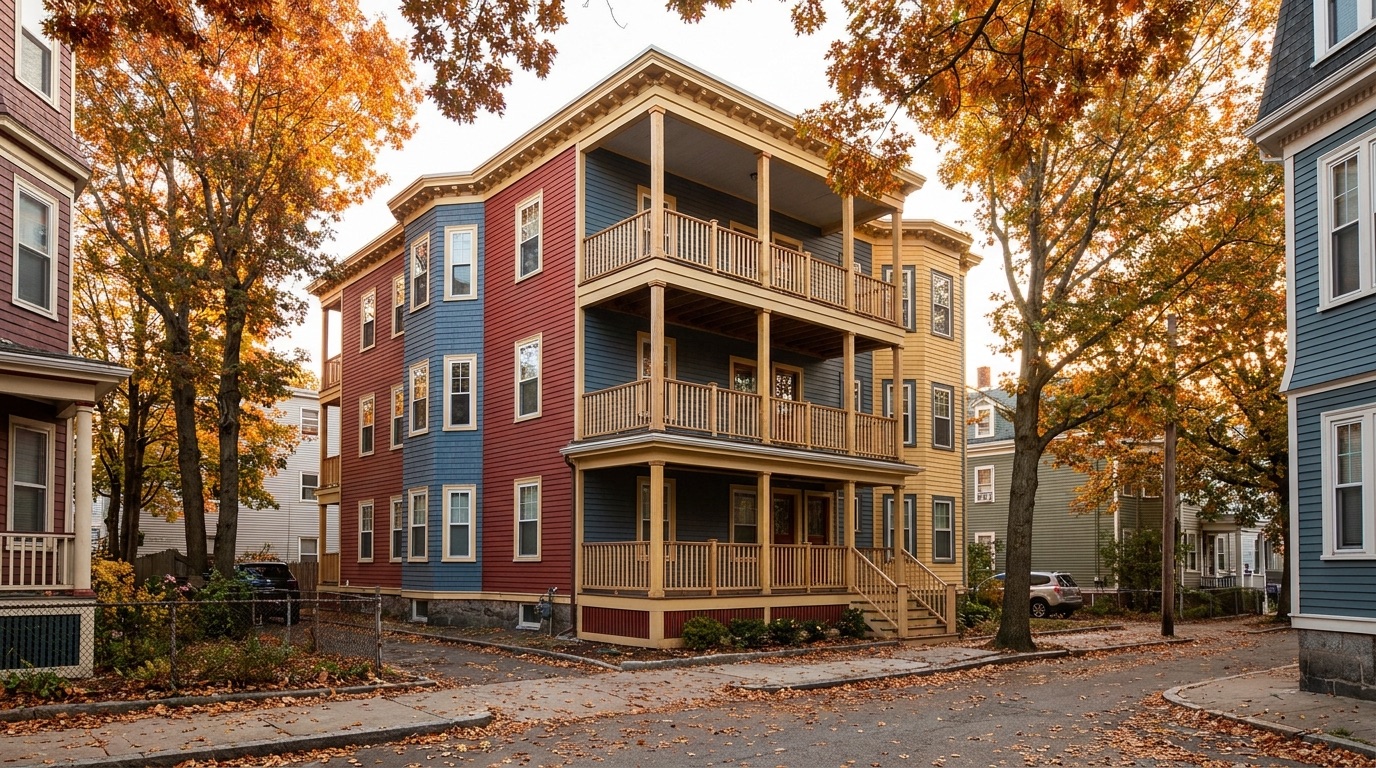
A burned-out Rhode Island landlord can exit by selling the property, and the core decision is whether you sell it occupied to an investor or deliver it vacant to an owner-occupant. That single choice drives your price, your timeline, how much work lands on you, and how your current tenant gets treated. Everything else in this guide is downstream of it.
I work with a lot of small landlords who own one, two, or three units and have quietly decided they are done. Not in crisis, not underwater, just tired. If that is you, this is the honest version of how to get out cleanly.
### How do I know it is actually time to sell?
Burnout in a landlord rarely shows up as one dramatic event. It shows up as a pattern. You stop answering the tenant's texts the same day. You keep deferring the roof or the water heater because you would rather not think about the property at all. Rent comes in and instead of feeling like income it feels like a reminder of a job you no longer want.
Other common signs I hear: the numbers stopped working after a few years of tax and insurance increases, you inherited the property and never wanted to be a landlord in the first place, or you are moving out of state and do not want to manage from a distance. Sometimes it is just life. Kids, a new job, retirement, a divorce.
None of those are failures. Owning a rental is a real job, and deciding you no longer want that job is a legitimate reason to sell. The mistake I see is people white-knuckling it for years, watching deferred maintenance pile up, and then selling from a weaker position than they could have.
### What are my two real options for selling?
You have two buyer pools, and they want two different things.
The first pool is investors. They buy the property as an ongoing rental, which means they often want the tenant to stay. A paying tenant with a clean payment history is an asset to them, not a problem. You can sell occupied, the lease transfers, and in many cases you never have to disrupt anyone's living situation.
The second pool is owner-occupants, buyers who want to live in the home themselves. This pool is larger and usually pays more per square foot, because they are buying a home and not a spreadsheet. But most of them want the property vacant at closing, and many are using financing that assumes they will move in.
Everything comes down to which pool you sell into. Here is the tradeoff side by side.
| Factor | Sell occupied (to investor) | Deliver vacant (to owner-occupant) |
|---|---|---|
| Price | Often lower, priced on income and condition | Often higher, priced on emotional and retail value |
| Speed | Can be faster, fewer showings needed | Slower if you must wait out a lease or relocate a tenant |
| Effort | Lower, tenant stays put, less staging | Higher, coordinating move-out, cleaning, possible repairs |
| Tenant impact | Minimal, lease and tenant continue | Significant, tenant must leave before closing |
Neither column is the right answer for everyone. A tidy single-family that would show beautifully vacant probably belongs in the owner-occupant pool. A three-decker in a rental-heavy neighborhood with strong tenants may sell just as well, and far more easily, occupied.
### Can I even sell with a tenant still living there?
Yes. In Rhode Island you can absolutely sell a property with a tenant in place, and the sale does not automatically end their lease. This surprises a lot of owners. The lease is tied to the property, not to you personally, so it generally transfers to the new owner along with the deed.
That is exactly why the investor pool exists. What you cannot do is treat the tenant's rights as an afterthought. Showings, notice, and how a fixed-term lease versus a month-to-month arrangement affects your options all matter, and getting them wrong can cost you a deal or worse. I wrote a fuller breakdown of that in can you sell with a tenant in RI, and it is worth reading before you list.
### How does lease timing change my plan?
Timing is the lever most landlords underuse. If your tenant is on a fixed-term lease, that lease sets the rules. You generally cannot force the tenant out early just because you sold, so if you are aiming for the vacant owner-occupant pool, you may need to wait until the term ends or negotiate an early, voluntary move-out.
If your tenant is month-to-month, you have more flexibility, subject to Rhode Island's notice requirements. That flexibility is valuable, but it is also a decision point. A cooperative, long-term tenant who pays on time is genuinely worth something to an investor buyer, and pushing them out to chase a slightly higher retail price does not always pencil out once you count vacancy, turnover, and cleanup.
My general advice: decide your buyer pool first, then let lease timing tell you the earliest clean date you can hit. Do not list into a plan that fights your own lease.
### What about multi-family properties specifically?
Multi-families are their own animal. A two or three-unit in Providence, Pawtucket, or Woonsocket can sell to an investor as a turnkey income stream, or to an owner-occupant who plans to live in one unit and rent the others. That second buyer, the house-hacker, is often willing to pay near-retail because the rental income helps them qualify for financing.
That means for a multi-family you sometimes get the best of both pools at once. The math, the unit mix, and how many units are occupied versus vacant all shift the strategy, and I go deeper on that in selling a multi-family in RI.
### What do I need to understand about taxes before I sell?
This is where tired landlords lose the most money, so slow down here. When you sell a rental you have held for years, two things tend to come up: capital gains on the appreciation, and depreciation recapture on the depreciation you have been deducting all along. Recapture surprises people, because it can create a tax bill even on a property that did not appreciate much, simply because you wrote off depreciation over the years.
I am not a CPA and this is not tax advice. These are general concepts so you know what questions to bring to a professional. Please do not plan a sale around anything you read here without running your actual numbers past a tax advisor who knows your basis and your situation.
### How does a 1031 exchange fit in?
A 1031 exchange lets you defer the tax on a sale by rolling the proceeds into another qualifying investment property, within strict timelines and rules. For a landlord who is tired of *this* property but not necessarily done with real estate entirely, it can be a way to trade into something easier to manage, a newer building, a different market, or a triple-net situation with far less hands-on work.
The catch is that a 1031 is unforgiving on deadlines and structure. You typically must identify replacement property within 45 days and close within 180, and you generally cannot touch the money in between. It has to be set up correctly before you close the sale, not after. If a 1031 is even a maybe, tell me and your CPA early, because it changes how we structure the whole transaction.
If you truly want out of real estate altogether, a 1031 is not for you, and that is fine. Just go in knowing the tax picture so it does not blindside you at closing.
### What is the cleanest path out?
Here is how I would sequence it. First, decide honestly whether you are done with this property or done with landlording entirely, because that determines whether a 1031 is even on the table. Second, pick your buyer pool, investor or owner-occupant, using the table above. Third, let your lease timing set the earliest clean date. Fourth, talk to a CPA about gains and recapture before you list, not after you have an offer. Then we go to market with a plan that fits, instead of listing and hoping.
### Frequently Asked Questions
#### Do I have to evict my tenant before I sell?
No. You can sell with the tenant in place, and the lease usually transfers to the new owner. You would only need the tenant to leave if you are specifically targeting an owner-occupant buyer who wants the home vacant, and even then it should be handled within Rhode Island's notice and lease rules, not with an eviction as a default move.
#### Will I get less money selling with a tenant in place?
Often, but not always. Occupied sales tend to price on income and condition and draw investor buyers, which can be a bit lower than the retail price an owner-occupant pays for a vacant home. For a strong multi-family with good tenants, the gap can be small or nonexistent, and you save the cost and hassle of turning the property.
#### How much notice do I have to give a tenant for showings?
Rhode Island requires reasonable advance notice before entering an occupied unit, and showings fall under that. The cleanest approach is to communicate early, work around the tenant's schedule, and consider a small incentive for cooperation. A tenant who feels respected makes showings easy, and a tenant who feels ambushed can quietly sink your sale.
#### Can I do a 1031 exchange if I only own one rental?
Yes, the number of properties you own does not disqualify you. A 1031 is about reinvesting the proceeds of a qualifying investment property into another qualifying one within the required timelines. What matters is intent and structure, so set it up with a qualified intermediary and your CPA before closing.
#### Should I sell now or wait until the lease ends?
It depends on your buyer pool. If you are selling to an investor, an in-place lease is a feature and there is little reason to wait. If you want the higher owner-occupant price, you may need to time the sale to the lease end or negotiate an early move-out. Decide the pool first, then let the lease tell you the date.
If you are a tired landlord in Rhode Island or Massachusetts and you just want a straight answer about your specific property, contact David. Tell me the address, the lease situation, and whether you are done with this one property or done landlording entirely, and I will map the cleanest exit for your numbers.

Written by
David Peterson
David is a real estate agent with Fathom Realty, dual-licensed in Rhode Island (RES.0047177) and Massachusetts (9577507-RE-S). He serves the Providence metro, the East Bay and coastal Rhode Island, and Southeastern Massachusetts, and brings a digital marketing agency background to every listing.
Need a strategy tailored for your family?
As a dual-licensed professional working on both sides of the line, I'll build custom financial models, tax maps, and school evaluations specifically for your objectives.