Woonsocket vs Fall River: The Affordability Play
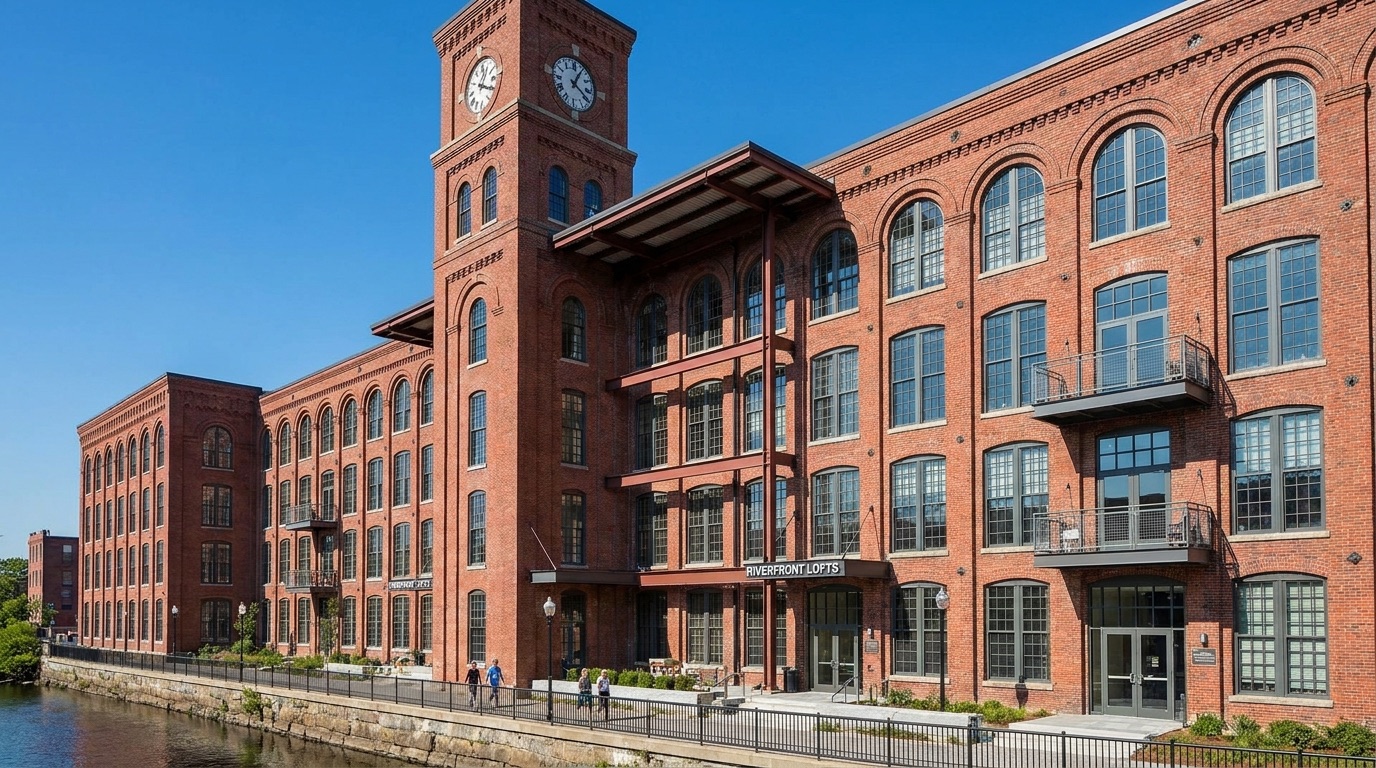
Woonsocket, Rhode Island and Fall River, Massachusetts are two of the most affordable cities in the region, and both are dense former mill towns loaded with cheap multi-family stock that rewards a buyer willing to house-hack. If you want raw entry price and simpler Rhode Island tax math, Woonsocket wins. If you want the stronger long-term appreciation bet and Boston access, Fall River wins on the back of new MBTA commuter rail, and its rental yield holds up better against its own tax load than most people assume.
I work both sides of the state line, so I get this question a lot from first-time buyers and small investors: which one do I actually buy in. The honest answer is that they solve different problems. Let me walk through what separates them.
### Why compare these two cities at all?
Because they are almost the same city built in two different states. Both grew up around textile mills on a river. Both have block after block of two-family and three-family homes built for mill workers, which is exactly the stock you want if your plan is to live in one unit and rent the others. Both trade at a steep discount to their metro's median. And both have taken decades of grief for being rough around the edges, which is precisely why the numbers still work for a buyer today.
The difference is what state you land in, and that difference touches your taxes, your commute, and your appreciation ceiling.
### How do the numbers stack up side by side?
Here is the honest comparison. Treat every figure as a directional estimate as of 2026, not a quote. Local conditions move fast and specific streets vary widely.
| Factor | Woonsocket, RI | Fall River, MA |
|---|---|---|
| Median sale price (est., as of 2026) | Around 360k | Around 415k |
| Multi-family entry price (est.) | High 300s to low 400s for a 2-3 family | Low to mid 400s for a 2-3 family |
| Property tax rate (est.) | Higher residential rate, RI system | Lower headline rate, MA system with resi exemption |
| Commute to job center | About 30-40 min to Providence | New rail to Boston, about 90 min by train |
| MBTA access | None | Yes, South Coast Rail |
| Character | Blackstone Valley mill city, tight New England core | Waterfront mill city, hills over the bay |
The tax line deserves a caveat. Rhode Island and Massachusetts calculate property tax differently, and Fall River offers a residential exemption that meaningfully cuts the bill for owner-occupants while leaving investors and non-residents paying more. Run the actual assessed number on any specific property before you draw a conclusion. The headline rate lies in both directions.
### What is the case for Woonsocket?
Woonsocket is the cleaner affordability play. It sits in northern Rhode Island in the Blackstone Valley, and it is genuinely cheap to get into. For a buyer who wants the lowest possible entry price on a multi-family and a straightforward drive to Providence for work, it is hard to beat.
You stay inside the Rhode Island system, which matters if you already live and work here. One state, one set of rules, one closing process you probably already understand. The rental demand is steady because the price to rent a unit stays within reach of local wages, and a house-hacker can often cover a large share of the mortgage with two rented units. The tradeoff is that the appreciation story is slower. Woonsocket has been affordable for a long time and there is no single catalyst on the horizon forcing prices up. You buy it for cash flow and stability, not for a pop. Browse current Woonsocket, RI homes to see how the multi-family inventory is priced right now.
### What is the case for Fall River?
Fall River is the appreciation bet, and the catalyst is real. South Coast Rail put Fall River on the MBTA commuter network, which for the first time gives a Fall River owner a train-based commute to Boston. That single change reframes the city from a standalone South Coast mill town into a far-edge Boston satellite, and those satellites have historically seen the strongest long-run price growth in the region once rail arrives.
You also get the waterfront. Fall River climbs the hills over Mount Hope Bay, and the views and proximity to the water give it a ceiling Woonsocket does not have. The catch is Massachusetts. You are in a different state with different rules, and while the residential exemption helps owner-occupants, an investor buying purely to rent faces a heavier tax posture. The entry price is also a notch higher than Woonsocket. You pay more up front and bet that the rail-driven appreciation earns it back. See what is trading in Fall River, MA homes if the Boston-access thesis appeals to you.
### Which one actually cash-flows better?
For pure day-one rental yield, Woonsocket usually edges ahead because the entry price is lower while rents between the two cities are not that far apart. Cheaper to buy plus comparable rent equals a better yield on paper.
But yield is not the whole return. Fall River's appreciation potential means more of your total return can come from equity growth over time rather than monthly cash flow. If you are optimizing for cash today, lean Woonsocket. If you can absorb a slightly thinner monthly margin in exchange for a stronger equity bet, Fall River makes sense. Either way, the multi-family structure is what makes the math work, and I have written a full breakdown of multi-family house hacking in RI that walks through how to underwrite a two or three unit deal.
### Who should buy which?
Buy Woonsocket if you already live in Rhode Island, you want the lowest entry price, and your priority is covering the mortgage with rental income from month one. It is the practical, low-drama choice for a first-time house-hacker who does not want to learn a second state's rules.
Buy Fall River if you can stretch a bit on price, you want exposure to Boston-driven appreciation, and you are comfortable operating in Massachusetts. It is the choice for a buyer thinking five to ten years out, betting that rail access pulls the whole city up.
### Frequently Asked Questions
#### Is Woonsocket or Fall River cheaper to buy in?
Woonsocket is generally cheaper on both median price and multi-family entry price as of 2026, with a typical two to three family often landing in the high 300s to low 400s versus the low to mid 400s in Fall River. These are estimates and specific properties vary widely, so confirm the actual numbers on any listing.
#### Does Fall River really have a train to Boston now?
Yes. Fall River is connected to Boston through the MBTA South Coast Rail expansion, which is the main reason its appreciation outlook is stronger than Woonsocket's. Woonsocket has no MBTA access and commuters there drive to Providence instead, roughly a 30 to 40 minute trip depending on where you land.
#### Which city is better for a first rental property?
For a first rental, Woonsocket often wins on simplicity and day-one cash flow because of the lower entry price and the fact that you stay inside the Rhode Island system. Fall River can deliver a stronger total return over time through appreciation, but it adds Massachusetts tax rules and a higher purchase price, so it suits a buyer who is comfortable with a longer horizon.
#### Are the property taxes really lower in Fall River?
Not automatically. Massachusetts and Rhode Island calculate taxes differently, and Fall River's residential exemption can lower the bill for owner-occupants while investors and non-residents pay more. Never assume from the headline rate. Run the actual assessed tax on the specific property before you decide, because the real number can cut either way.
If you are weighing an affordability play on either side of the state line, I can run the actual tax and rent numbers on a specific property with you before you commit. Reach out and let's pressure-test the deal together, and in the meantime you can start with current Woonsocket, RI homes to see where the value sits.

Written by
David Peterson
David is a real estate agent with Fathom Realty, dual-licensed in Rhode Island (RES.0047177) and Massachusetts (9577507-RE-S). He serves the Providence metro, the East Bay and coastal Rhode Island, and Southeastern Massachusetts, and brings a digital marketing agency background to every listing.
Need a strategy tailored for your family?
As a dual-licensed professional working on both sides of the line, I'll build custom financial models, tax maps, and school evaluations specifically for your objectives.
Calculate Your Home's True Comparative Value