What Providence Triple-Deckers Actually Rent For
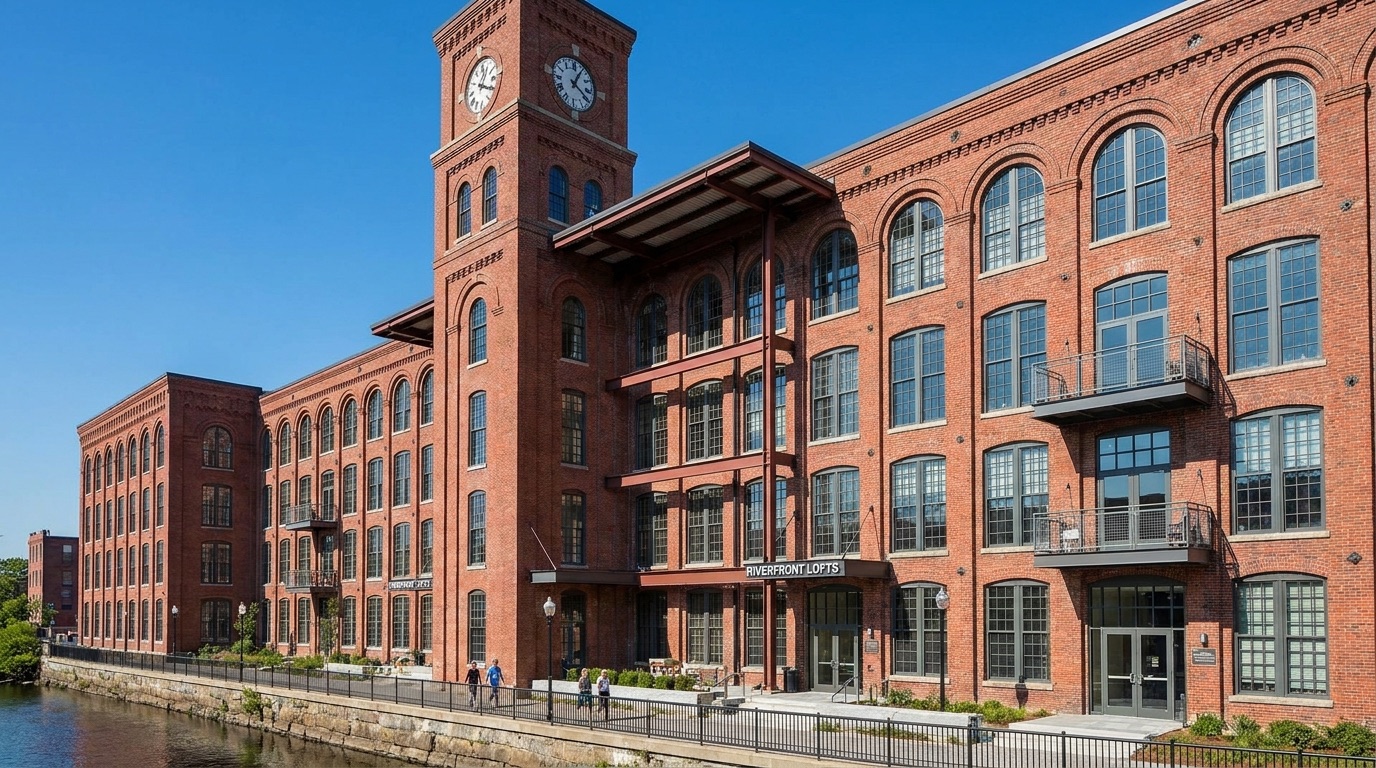
A typical Providence triple-decker unit rents somewhere in the range of roughly 1,500 to 2,900 dollars a month, depending on bedroom count, and most floors in these buildings are two-bedroom layouts that land in the middle of that band. What a specific unit actually commands varies a lot by neighborhood and condition, so treat any single number you hear as a starting point, not a promise.
I write this because the biggest mistake I see on triple-decker deals is not the purchase price. It is the rent assumption baked into the pro forma. Someone pulls a citywide "average rent" off a listing site, drops it into a spreadsheet, and calls it underwriting. That average is skewed by brand-new luxury construction downtown that has nothing to do with a 1910 three-family in the West End. Let me walk through what these units really rent for, and how I think about it as ranges rather than guarantees.
### What is a triple-decker and why does it rent differently?
A triple-decker is exactly what it sounds like. Three stacked apartments, one per floor, usually built between roughly 1890 and 1930 as working-class housing. The classic floor plan is a parlor, dining room, kitchen, bath, and two bedrooms, running about 1,000 to 1,200 square feet per unit. Some floors got carved into one-bedrooms over the decades, and some larger buildings have three-bedroom floors, but the two-bedroom layout is the workhorse of this housing stock.
They rent differently from purpose-built apartment complexes for a few reasons. There is no gym, no in-unit laundry half the time, no elevator, and parking is often a shared driveway or the street. On the other hand you get more square footage, a real kitchen, and often a porch. The tenant pool is different too, so pricing a triple-decker unit against a downtown mid-rise is comparing two different products.
### What do Providence triple-decker units rent for by bedroom?
Here is my honest read of the market. These are estimate ranges, as of 2026, and they vary by neighborhood and condition. They are not guaranteed numbers for any specific address. Before you underwrite a real building, verify current rents for that exact property with recent comparable listings and, if it is occupied, the actual rent roll and leases.
| Unit size | Typical monthly rent range (estimate) | Notes |
|---|---|---|
| 1BR | roughly 1,400 to 1,900 | Often a carved-down floor; less common in true triple-deckers |
| 2BR | roughly 1,700 to 2,600 | The most common triple-decker layout; widest real spread |
| 3BR | roughly 2,100 to 2,900 | Larger floors or top-floor build-outs; strong family demand |
Notice these ranges sit below the headline citywide "apartment" averages you will see quoted for Providence, which run higher because they fold in new luxury inventory. A well-kept two-bedroom triple-decker floor is a different animal from a new-construction two-bedroom with stainless everything, and it rents accordingly. Again, these are estimates to frame your thinking. Pull real comps for the actual street.
### How much does neighborhood move the rent?
A lot. This is the single biggest swing factor, and it is why a citywide average is close to useless for a specific deal.
The East Side, near Brown and RISD, sits at the top. Proximity to the universities, walkability, and the College Hill premium push rents toward and past the high end of every range above, and student demand keeps vacancy low. If you are buying a triple-decker up there, the numbers work differently, and so does the price you pay going in.
The West End and neighborhoods like Federal Hill's edges are the middle of the market. These are the classic triple-decker blocks. Rents here land in the meat of the ranges I gave, and this is where a lot of investor activity happens because the price-to-rent math tends to pencil better than the East Side.
Elmhurst, up near Providence College, has its own student-driven pull, especially for three-bedroom floors that a group of students can split. Family demand is strong there too. Rents are solid but the character is more residential than the East Side premium.
Move into pockets with weaker perceived safety, more deferred maintenance on the block, or a longer walk to anything, and you slide toward the bottom of the ranges. The lesson: never price a unit off "Providence." Price it off the three or four blocks around it.
### How much does condition move the rent?
Condition is the second big lever, and it is the one you control. Two identical two-bedroom floors on the same street can rent hundreds of dollars apart based on what is behind the door.
A gut-renovated floor with a new kitchen, updated bath, refinished hardwood, in-unit laundry, and off-street parking pulls the top of the range, sometimes past it. A tired floor with a 1980s kitchen, worn carpet, and no parking sits at the bottom. Parking alone is worth real money in the denser neighborhoods. In-unit or in-basement laundry is worth real money. These are not cosmetic details, they are line items in what a tenant will pay.
This is also where the value-add thesis lives. If you can buy a triple-decker with under-market or dated units and bring them up to a competitive condition, you are moving each floor from the bottom of its range toward the top. Three floors of that adds up. My deeper walk-through of that math is in the complete multi-family guide.
### What is the gross rent multiplier and how do I use it?
Gross rent multiplier, or GRM, is the quickest sanity check on a multi-family price. You take the purchase price and divide it by the annual gross rent. If a triple-decker is listed at 600,000 dollars and the three units bring in 6,000 dollars a month combined, that is 72,000 dollars a year, and the GRM is roughly 8.3.
GRM does not account for expenses, vacancy, or financing, so it is not a decision tool on its own. What it is good for is fast comparison. If similar triple-deckers in the same neighborhood trade around a GRM of 8 to 10 and one is priced at a GRM of 13, either the rents are under market and there is upside, or the price is stretched. It tells you where to dig, not what to do.
The trap is running GRM on the wrong rent number. If the listing uses optimistic "market rents" that no floor in the building actually achieves, your multiplier is fiction. Use in-place rents for what the building does today, then separately model what it could do after you improve it.
### Why does the pro forma matter more than the asking rent?
Because rent is only the top line. A triple-decker with 6,000 dollars a month in gross rent does not put 6,000 dollars in your pocket. Out of that comes taxes, insurance, water and sewer, common-area utilities, maintenance, capital reserves for the roof and the systems, vacancy allowance, and financing. On these older buildings, maintenance and capital reserves are not optional. The roof, the porches, the knob-and-tube if it is still there, the heating systems, these are real and recurring.
A pro forma is where you force yourself to be honest about all of it. Take the rent ranges above, use the low-to-middle end for the actual condition of the units, subtract realistic operating costs, hold back a real reserve, and see what is left. A deal that looks great on gross rent can be thin or negative on the bottom line once you count the true cost of owning a hundred-year-old building.
If you plan to live in one floor and rent the other two, the math shifts in your favor because your housing cost gets subsidized by the tenants. I broke that strategy down in detail in house hacking a multi-family.
### Frequently Asked Questions
#### What does a triple-decker unit rent for in Providence?
Roughly 1,400 to 2,900 dollars a month per unit depending on bedroom count, with most two-bedroom floors landing in the middle. These are 2026 estimate ranges that vary by neighborhood and condition, so verify current rents for the specific address before you rely on a number.
#### Do triple-deckers rent for less than new apartments?
Usually yes, floor for floor. Citywide "average rent" figures are pushed up by new luxury construction, so a well-kept older triple-decker unit typically rents below those headline averages while offering more square footage and a real kitchen. Compare like to like, not against downtown new builds.
#### Which Providence neighborhood has the highest triple-decker rents?
The East Side, driven by the Brown and RISD area and College Hill walkability, generally commands the top of the range. The West End sits in the middle where a lot of investor deals happen, and Elmhurst near Providence College has strong student and family demand, especially for three-bedroom floors.
#### How do I know if a triple-decker is priced right?
Start with gross rent multiplier as a fast comparison against similar buildings in the same neighborhood, then build a full pro forma using in-place rents and realistic expenses and reserves. The asking rent and the gross number are just the top line. What matters is what is left after the real cost of owning an older three-family.
The honest answer on any triple-decker is that the ranges get you in the ballpark, but the deal lives in the specifics of the block, the condition of each floor, and a pro forma you have not talked yourself into. If you want to run real numbers on a specific Providence building, contact David and we will underwrite it together.

Written by
David Peterson
David is a real estate agent with Fathom Realty, dual-licensed in Rhode Island (RES.0047177) and Massachusetts (9577507-RE-S). He serves the Providence metro, the East Bay and coastal Rhode Island, and Southeastern Massachusetts, and brings a digital marketing agency background to every listing.
Need a strategy tailored for your family?
As a dual-licensed professional working on both sides of the line, I'll build custom financial models, tax maps, and school evaluations specifically for your objectives.